
Views: 0 Author: Site Editor Publish Time: 2025-10-27 Origin: Site
You want your brewing equipment to make great drinks every time. The most important tip is to clean brewing equipment after you use it. At ZPET, we know cleaning is very important. It helps stop contamination and keeps your brews tasting fresh. See how cleaning often can change your results:
Impact on Taste | Consistency in Brewing |
|---|---|
Stops bad flavors | Stops clogs and keeps quality good |
Cleaning your equipment often helps you avoid bad drinks. It also helps your brewing equipment last longer. When you clean brewing equipment, your drinks are safer and taste better. You also save money over time. Here’s what you get:
Lowers contamination risks
Keeps quality high
Makes equipment last longer
Helps keep things the same each time
Clean your brewing equipment after each use. This stops contamination and helps your drinks taste good.
Use the correct cleaning tools and agents. These help remove dirt and stains from your equipment.
Sanitize your equipment right before you brew. This kills any leftover germs and keeps your drinks safe.
Check your brewing equipment often. This helps you find problems early and makes it last longer.
Stick to a regular cleaning routine. Deep clean every few months to keep your equipment working well.
You want your drinks to taste good every time. Cleaning is very important for this. If you do not clean, your beer can taste different. Leftover bits from brewing can change the flavor. Different kinds of contamination can hurt your drink:
Type of Contamination | Effect on Flavor Profile |
|---|---|
Microbial Contamination | Can spoil your drink and make it taste bad because of bacteria and microorganisms. |
Chemical Residue | Cleaning chemicals left behind can make your beer taste strange and be unsafe. |
Metal Ion Leaching | Metals like iron and copper can give a metal taste and cause bad flavors. |
You want to keep these problems away from your beer. Cleaning helps stop bad tastes. It also lowers the chance of harmful microorganisms. If you want your beer to taste fresh, always clean your equipment.
Some things that can cause contamination are:
PFAS in water, ingredients, or equipment.
Cleaning products and how you use them.
Certain yeast strains like Brettanomyces.
Ingredients such as grains, hops, and spices.
Storage tanks, tubing, and other packaging materials.
Cleaning does more than help taste. It also helps your equipment last longer. If you clean after each use, you stop buildup. This keeps your equipment working well and saves money.
If you clean carefully, you stop sediment from building up. Sediment can damage metal, seals, and hoses. It can also clog valves. If you do not clean, you might need expensive repairs. Clean equipment works better, uses less energy, and lasts longer!
You want your brewing equipment to work well for a long time. Cleaning helps everything run smoothly. You will not have to fix things as often. Clean equipment breaks less and gives you better drinks.
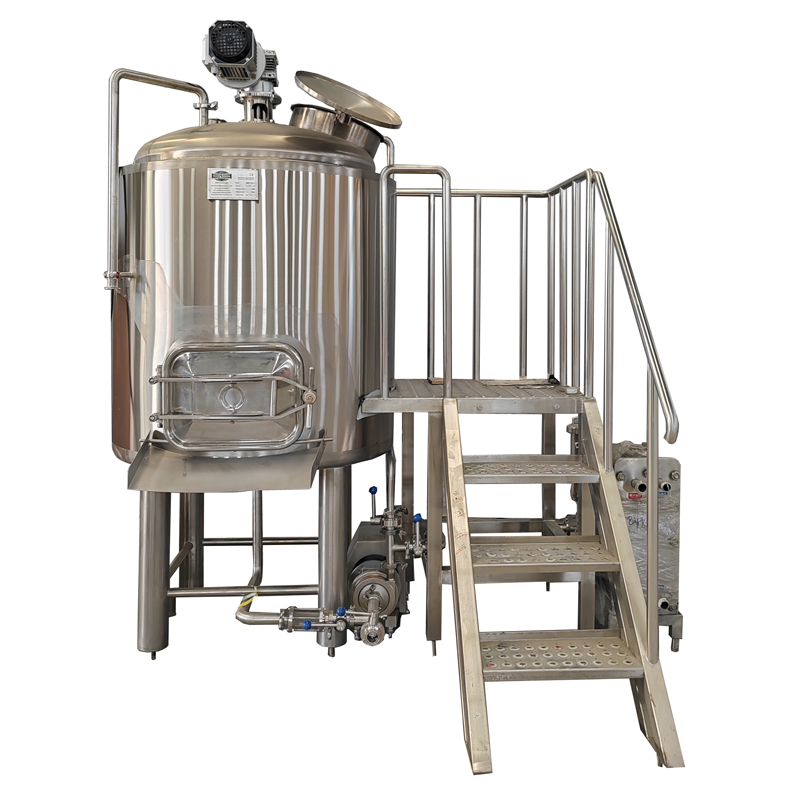
You need to keep your brewing equipment clean and safe. The right cleaning supplies help you do this. At ZPET, we help you pick the best tools and products. Let’s see what you need for cleaning and sanitizing.
You need good tools to get rid of dirt. Here are some tools people use for cleaning brewing equipment:
Brushes with soft bristles help scrub tanks and hoses
Sponges wipe surfaces clean
Spray bottles put cleaning agents on equipment
Buckets mix cleaning solutions
Towels dry everything after cleaning
Special brewery cleaning tools like Exchilterator Brewery Wash, Five Star PBW, and Craft Meister Alkaline Brewery Wash
These tools help you clean every part of your equipment. You can use them on fermenters, kettles, tubing, bottles, and kegs.
Cleaning agents help remove tough stains and dirt. You want agents that work well and are safe for brewing. Here is a simple guide:
Cleaning Agent | Function |
|---|---|
Sodium carbonate | Breaks down fats into soap and glycerol; acts as a surfactant for greasy substances. |
Sodium metasilicate | Helps dissolve minerals. |
Sodium lauryl sulfate | Removes stains and helps break up dirt. |
Sodium hydroxide | Breaks down proteins and organic matter. |
Potassium hydroxide | Helps break down organic matter and minerals. |
Protease | Breaks down proteins into amino acids. |
Amylase | Breaks down complex carbohydrates into simple sugars. |
Lipase | Breaks down fats into fatty acids and glycerol. |
Cellulase | Breaks down cellulose from plants. |
Pectinase | Breaks down pectins in fruit and plants. |
Multiple enzymes | Used for many cleaning jobs. |
Oxygen-based detergents are great for cleaning brewing equipment. They break down tough dirt without much scrubbing. These detergents use active oxygen to clean and sanitize at the same time. You do not have to rinse them. They are non-toxic and safe for the environment. Your equipment stays safe and the planet does too.
Sanitizing is the last step before you brew. You want to kill any germs left after cleaning. Here are some safe sanitizers for brewing:
Sanitizer | Composition | Recommended Contact Time | Rinsing Required | Safety Precautions |
|---|---|---|---|---|
Iodophor | Iodine-based | 1 minute | No | Check the right amount to use. |
Star San | Phosphoric acid and dodecylbenzenesulfonic acid | 1-2 minutes | No | Wear gloves and protect your eyes. |
Saniclean | Non-foaming phosphoric acid-based | 3 minutes | No | Do not use on aluminum equipment. |
You should follow safety tips when using sanitizers. Always read the instructions for each sanitizer. Wear gloves and eye protection if needed. Make sure you use the right contact time. Cleaning and sanitizing together get your brewing equipment ready for the next batch.
Tip: Pick cleaning products and sanitizers that are safe for your equipment and easy to use. At ZPET, we help you find the best choices for your brewing needs.
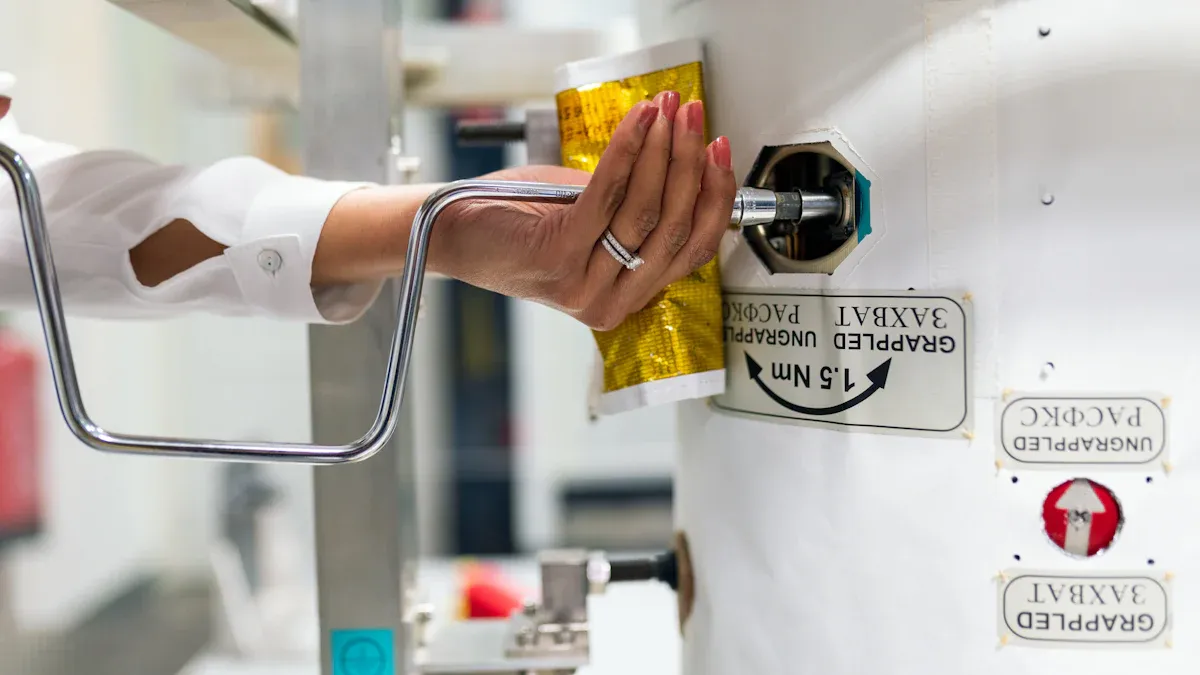
A good cleaning routine keeps your brewing equipment safe and your drinks tasting great. You want to make cleaning and sanitizing a habit, not a chore. Let’s break down each step so you can get the best results from your fermenter, bottles, kettles, and more.
Before you start brewing, you need to get your equipment ready. This step helps you avoid contamination and keeps your drinks fresh. Here’s a simple checklist you can follow:
Clean all equipment before you sanitize it.
Use sodium carbonate to boost your cleaning process.
Sanitize everything right before you use it.
Pick no-rinse sanitizers like Star San or Iodophor for easy cleaning and sanitizing.
Mix Star San at 1 tablespoon for every 10 liters of cold water. Let it air dry.
Keep Iodophor in contact with your equipment for at least 1 minute at 25 ppm.
Sanitize your fermenter, bottles, and tubing just before brewing to stop germs.
Replace worn cleaning tools often so you don’t add new contaminants.
Rinse after use with potable water to remove any cleaning agents.
Tip: Always check your fermenter and bottles for cracks or wear before you start. This helps you avoid problems later.
After brewing, you need to clean everything right away. This keeps your equipment in top shape and stops buildup. Here’s how you can do it:
Gather your cleaning and sanitizing supplies.
Take apart any removable parts from your fermenter, bottles, and kettles.
Remove all debris and leftover ingredients from your equipment.
Rinse with hot water to clear out cleaning solution traces.
Apply your sanitizing agent to every surface.
Let the sanitizer sit for the recommended time.
Rinse with clean water to finish the cleaning process.
Air dry your fermenter, bottles, and other parts before putting them back together.
Store everything in a clean, dust-free spot.
Note: Don’t rush the cleaning process. Take your time to clean every part, especially hard-to-reach areas in your fermenter and bottles.
You want to make sure every part of your brewing system gets cleaned and sanitized. Follow these steps for the best results:
Use a mix of cleaning solutions and scrubbing to clean your fermenter, bottles, and kettles.
Soak your equipment for about 20 minutes with a cleaning solution before you scrub.
For hoses, airlocks, and bottle caps, soak for at least 60 seconds to get rid of germs.
Use percarbonates like P.B.W. for effective homebrew cleaning. Avoid household cleaners.
Rinse after use to remove all cleaning agents.
For cleaning your bottles, use a bottle brush to reach inside and scrub well.
Sanitize with Iodophor or Star San. These work fast and don’t need rinsing.
Make sure you let the sanitizer stay on your fermenter and bottles for the full contact time.
Replace hoses and airlocks regularly to keep your system clean.
Callout: Cleaning and sanitizing are not the same. Cleaning removes dirt and debris. Sanitizing kills germs. You need both for safe brewing.
Sometimes, regular cleaning isn’t enough. You need a deep clean to keep your equipment working well. You should do a deep clean at least every few months. If you see stubborn buildup, do it more often.
Use a full system cip to clean every part of your brewing setup.
Soak your fermenter, bottles, tubing, and kettles with a strong cleaning solution.
Scrub all surfaces, especially inside your fermenter and bottles.
Rinse after use with hot water to clear out any leftover cleaning agents.
Run a full system cip to flush out tubing and valves.
Air dry everything before you store it.
Check for buildup or damage during your deep clean. Replace any worn parts.
Pro Tip: A full system cip helps you reach places you can’t scrub by hand. This keeps your fermenter, bottles, and other equipment in top shape.
You want your homebrew cleaning routine to be simple but thorough. Clean your fermenter, bottles, kettles, and tubing every time you brew. Use cleaning and sanitizing steps for every batch. Don’t forget to deep clean with a full system cip every few months. This keeps your drinks tasting fresh and your equipment working for years.
You want your homebrewing setup to work well every time. Regular inspection helps you spot problems before they get worse. Take a close look at your equipment before and after each brew. Here’s a simple table to guide you:
Inspection Technique | Purpose |
|---|---|
Visual Inspections | Find rust, leaks, or cracks in your equipment. |
Functional Testing | Make sure everything works as it should. |
Calibration Checks | Check that your gauges and thermometers are accurate. |
When you inspect, look for these signs:
Rust on metal parts
Leaks in hoses or tanks
Cracks in glass or plastic
Discoloration from heat or chemicals
Odd sounds when brewing
Lower efficiency or strange results
If you catch these early, you can fix them fast and keep your homebrewing smooth.
Good storage keeps your equipment clean and safe. After cleaning, always dry your gear well. Store everything in a cool, dry place. This helps stop germs and mold from growing.
Microbial growth is one of the biggest challenges in cold brew production. You’ll learn how factors like water quality, brewing time, and storage temperature impact shelf life—and what steps you can take to minimize microbial activity while preserving taste and freshness.
Keep your bottles, fermenters, and hoses off the floor. Use shelves or racks. Cover your equipment to keep out dust. These habits help extend the life of your bottles and other gear.
Parts wear out over time, even with good cleaning. Replace gaskets every 6–12 months. This stops leaks and keeps air out. Check hoses and seals often. If you see cracks or damage, swap them out right away. Fresh parts help your homebrewing stay safe and your drinks taste great.
If you follow these tips, you will keep your homebrewing equipment in top shape. You will also enjoy better results with every batch.
Even the most careful brewers can make mistakes that affect the taste and safety of their drinks. Let’s look at some of the most common errors and how you can avoid them.
You might feel tempted to rush or skip parts of your routine, especially when you’re busy. But missing even one step can lead to big problems. Here are some mistakes you should watch out for:
Not cleaning enough after each use.
Taking shortcuts or skipping thorough scrubbing.
Forgetting to sanitize bottles before filling.
Not using the right amount of cleaning or sanitizing solution.
Not prepping your tools and workspace before you start.
If you skip steps, bacteria and wild yeast can sneak in. These can spoil your beer and ruin all your hard work.
Using the wrong products can cause more harm than good. Some people think “all-in-one” cleaners will do the job, but cleaning and sanitizing are two different things. Here’s what can go wrong:
Using household cleaners not made for brewing can leave behind chemicals or strange flavors.
Incorrect products may cause cross-contamination with allergens or unwanted flavors.
If you use the wrong dilution, you might leave residue that affects taste or safety.
Always pick products made for brewing. This helps you avoid infections and keeps your drinks tasting fresh.
Some parts of your equipment are easy to forget. Capillary tubes, hoses, and small valves often get missed. These spots can collect residue and microbes that spoil your next batch.
Capillary tubes are small but important. If you don’t clean them, microbes can build up and change the taste of your beer.
Hoses and bottle caps also need attention. Don’t let them become hiding spots for germs.
Tip: Make a checklist of all parts to clean, even the small ones. This helps you keep every batch safe and delicious.
You want your brewing equipment to be clean and safe. Many homebrewers and pros use certain products for this job. Here are some good choices for cleaning tanks, kettles, and bottles:
PBW – Powdered Brewery Wash: This cleaner uses oxygen to remove tough stains. It is gentle on your gear but strong on dirt.
Star San Sanitizer: This acid-based sanitizer works fast and does not need rinsing. People like it because it is quick and works well.
One Step No Rinse Cleanser: This product makes sanitizing easy. You just mix it, soak your items, and start brewing.
Five Star Saniclean: This sanitizer does not make much foam. It is good for kegs and pumps.
Sanitizer Spray Bottle: This is great for spraying small parts like airlocks and funnels.
Tip: Oxygen-based cleaners are safe for most brewing gear. They help you avoid using harsh chemicals. Always check if your cleaner is right for your equipment.
Professional brewers want products that are safe and easy to use. They also want to keep their brewing system working well. Here is a table that shows what matters most:
Cleaning Agent | Advantages | Disadvantages |
|---|---|---|
Non-Caustic Cleaners | Safe for soft metals, works at lower temps, rinses off easily | Needs more water to rinse, costs more |
Oxygen-Based Cleaners | Strong on proteins and carbs, simple to use, eco-friendly | Not as strong on oils, can only use once |
Acid-Based Sanitizers | Works fast, no rinse needed, kills many germs | Can hurt skin, check if it works with your gear |
Pick products that work with your brewing setup. If you use a fermentation tank or brewhouse from ZPET, these options will keep your gear in good shape. Our team suggests safe, easy-to-rinse products that protect your equipment and help you brew well.
Remember: Always read and follow the directions on your cleaning and sanitizing products. This keeps your gear safe and your drinks tasting good.
You want your brewing setup to work well every day. Use this easy checklist to help you remember what to do:
Rinse pipes, tanks, and valves with hot water. This removes anything left inside.
Wash each tank with a hot caustic wash for 30 minutes.
After each batch, flush the heat exchanger with hot water. Then run a hot caustic wash through it.
Purge the boiler to get rid of any sediment.
Wipe tanks, valves, and work areas with a food-safe sanitizer.
Throw away garbage and keep your space clean.
Pre-rinse fermenters, use detergent, rinse again, disinfect, and check for leftover dirt.
Clean kettles after each batch. Remove any residue and sanitize them.
Sanitize hoses and pumps by flushing with hot water and sanitizer.
Wipe all work surfaces and sweep or mop the floors.
Tip: Make this checklist part of your daily habits. This stops buildup and keeps your equipment working well.
You can help your brewing equipment last longer by doing regular checks. Try these routines:
Look at seals and gaskets for damage or leaks.
Check thermometers and gauges to see if they are correct.
Lubricate moving parts like pumps and valves with food-safe oil.
Remove scale from heating elements so they work better.
Keep a log of your maintenance to track what you do.
Follow the manufacturer's instructions for all maintenance.
Plan deeper checks to find small problems before they get worse.
Remember: Regular care helps stop breakdowns and keeps your drinks tasting good.
You want your drinks to taste good every time. You also want your equipment to last a long time. Cleaning and taking care of your gear often helps you do this. Here are some important things to remember for better results:
Factor | Why It Matters |
|---|---|
Chemistry Concentration | Gets rid of tough buildup |
Time of Contact | Makes cleaning more effective |
Temperature | Helps remove stubborn residue |
Mechanical Action | Scrubs away hidden grime |
At ZPET, we make it simple to reach and clean your brewing equipment. If you use these tips, your drinks will taste better. Your equipment will work well for many batches.
You should clean your brewing equipment after every use. This keeps your drinks tasting fresh and safe. If you brew often, deep clean your setup every few months for the best results.
Cleaning removes dirt and leftover ingredients. Sanitizing kills germs and bacteria. You need to do both steps to keep your brewing equipment safe and your drinks tasting great.
No, you should not use household cleaners. These can leave behind chemicals or strange tastes. Always use cleaning products made for brewing equipment. At ZPET, we recommend safe, easy-to-rinse options.
People often forget hoses, valves, and small tubes. These spots can hide germs and dirt. Make a checklist so you remember to clean every part of your brewing equipment each time.


