
Views: 0 Author: Site Editor Publish Time: 2025-10-02 Origin: Site
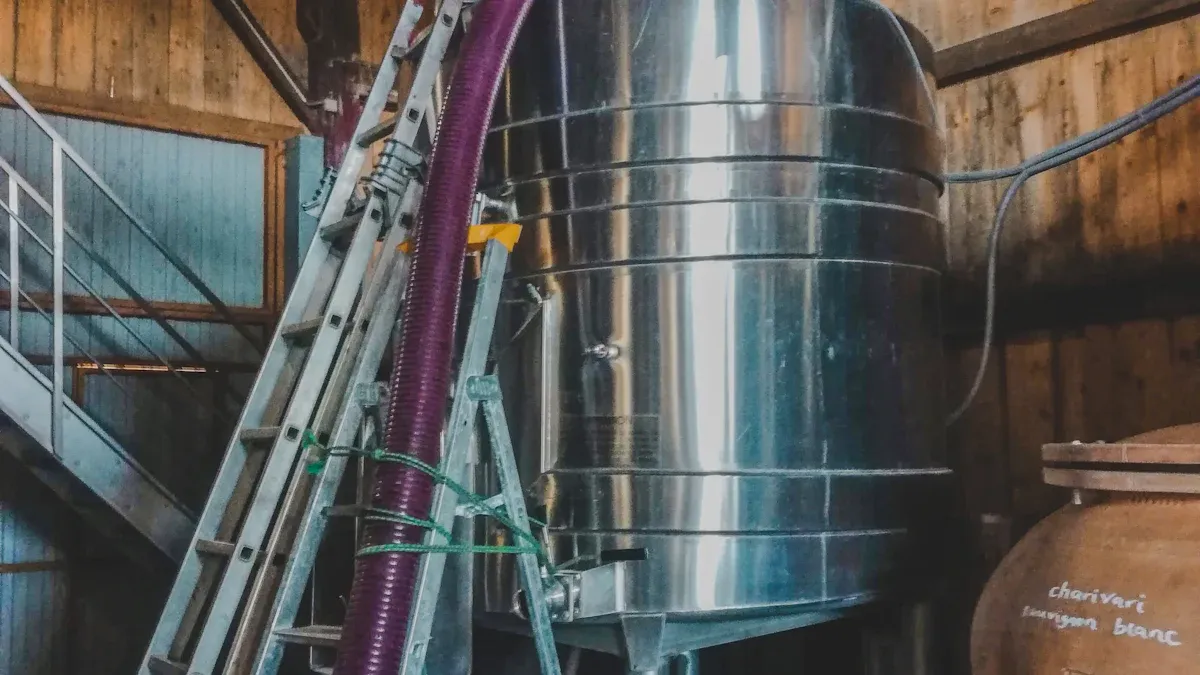
You need some simple things to start making wine at home. Important wine making equipment includes fermentation buckets, airlocks, and glass carboys. Each tool helps you control fermentation and keeps your wine safe from germs. Many home winemaking kits have these items, so beginners can start easily.
Tip: Start with good, food-safe materials for better results. As you learn more, try advanced gear for better taste and faster work.
Begin making wine with basic tools like fermentation buckets and airlocks. These tools help control the process and keep your wine safe.
Always use food-grade materials for your equipment. This helps your wine taste better and stops germs or bad flavors.
Buy measuring tools like hydrometers and thermometers. These tools help you check the process and make your wine taste good.
Clean and sanitize your equipment every time. This is very important to stop spoilage and keep your wine fresh.
When you get better, try advanced tools like wine presses and oak barrels. These can make your wine taste better and help you work faster.
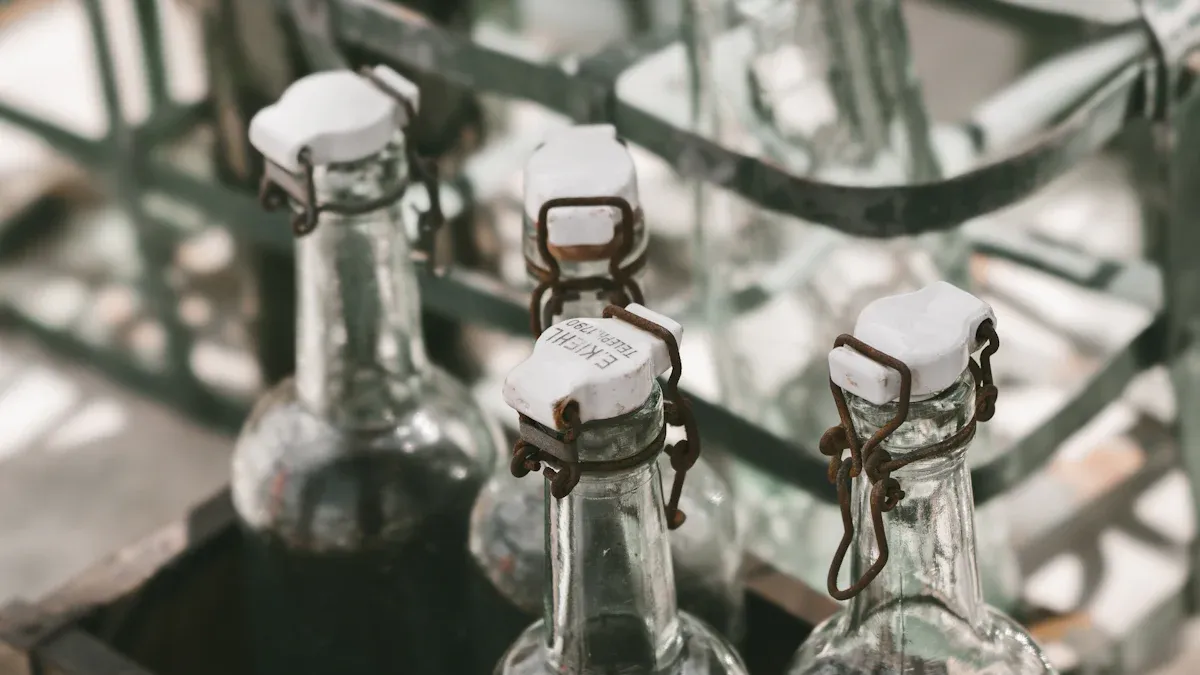
Home winemaking kits usually include the most important Wine Making Equipment. You can find these kits at retailers like Northern Brewer and Midwest Supplies. When you start making wine, you need to use safe, food-grade materials. This helps you make better wine and keeps your process clean.
Fermentation buckets hold your grape juice while it turns into wine. You need a bucket made from food-grade plastic. This type of bucket does not add unwanted flavors or chemicals to your wine. Most buckets have a volume of five to eight gallons. You can clean them easily with brushes and sanitizers.
Tip: Always check your bucket for cracks before you use it. Cracks can trap germs and spoil your wine.
Airlocks let gases escape from your bucket during fermentation. They keep air and germs out. You fill the airlock with water or sanitizer. This creates a barrier that protects your wine. You can find airlocks in different shapes, such as S-shaped or three-piece styles.
S-shaped airlocks work well for slow fermentations.
Three-piece airlocks are easy to clean and fit most lids.
Lids cover your fermentation bucket. You need a tight-fitting lid to keep dust and bugs away. Most lids have a hole for the airlock. You should choose a lid made from food-grade plastic.
| Lid Type | Features | Best Use |
|---|---|---|
| Standard | Fits most buckets | Basic fermenting |
| Drilled | Hole for airlock | Wine making |
| Snap-on | Easy to remove | Quick access |
You can start your winemaking journey with these basic Wine Making Equipment items. They help you control the process and protect your wine from spoilage.
When you move your wine from the fermentation bucket, you need secondary equipment. These tools help you finish the process and improve your wine’s taste and clarity.
Glass carboys hold your wine during secondary fermentation. You can choose from different sizes, such as 5, 6, or 6.5 gallons. Glass carboys offer several advantages over plastic containers. You get better durability, scratch resistance, and flavor retention. Oxygen cannot pass through glass, so your wine stays safe from spoilage. Flavors do not stick to glass, so each batch tastes pure.
| Advantage | Description |
|---|---|
| Durability | Glass carboys last a very long time. |
| Scratch Resistance | They usually don’t scratch when cleaned with a carboy brush. |
| Oxygen Permeability | Oxygen cannot penetrate glass, preventing spoilage. |
| Flavor Retention | Flavors don’t stick in glass, ensuring purity of taste. |
| Variety of Sizes | Available in various sizes: 5, 6, and 6.5 gallons. |
Tip: Always handle glass carboys with care. Use a carboy handle or carrier to avoid dropping them.
Bungs seal the opening of your carboy. You need a tight-fitting bung to keep air out. Most bungs come in rubber or silicone. Some have holes for airlocks, so you can let gases escape. You should check the size before buying. A bung that fits well keeps your wine safe.
Rubber bungs: Good for most carboys.
Silicone bungs: Easy to clean and last longer.
Siphons help you move wine from one container to another. You use a siphon to transfer wine without disturbing the sediment. This keeps your wine clear and fresh. Most siphons come with a tube and a pump. You start the flow by pumping or sucking gently. You should clean your siphon before and after each use.
Note: Practice using your siphon with water first. This helps you avoid spills and waste.
You need these secondary Wine Making Equipment items to make wine that looks and tastes better. Each tool helps you control the process and protect your wine.
Accurate measurements help you make better wine. You need the right tools to check sugar, temperature, and acidity. These tools help you control the process and avoid mistakes. Good measuring tools make your wine taste better and keep it safe.
A hydrometer measures the sugar level in your juice or wine. You use it to check how much sugar is present before and after fermentation. This tool helps you know when fermentation is finished. You can also use it to estimate the alcohol content. To use a hydrometer, fill a test jar with wine and float the hydrometer inside. Read the scale at the liquid’s surface. Clean the hydrometer after each use to keep it accurate.
Tip: Write down your readings in a notebook. This helps you track your progress and repeat your best batches.
A thermometer checks the temperature of your wine during fermentation. Yeast works best at certain temperatures. If it gets too hot or too cold, your wine may not ferment well. You can use a stick-on thermometer or a digital one. Place it on your bucket or carboy to get a quick reading.
Wine yeast works best between 77 and 91 °F (25 to 33 °C).
White wine ferments best at 64 to 68 °F (18 to 20 °C).
Red wine ferments best at 79 to 86 °F (26 to 30 °C).
If the temperature goes above 91 °F (33 °C), yeast becomes stressed.
At 113 °F (45 °C), yeast is severely stressed.
At 122 °F (50 °C), almost all yeast cells die in five minutes.
You need to manage heat to keep your wine in the right range. A thermometer helps you do this.
A pH meter checks the acidity of your wine. The right pH keeps your wine safe from spoilage and helps it taste good. Most wines have a pH between 3.2 and 3.6. You dip the pH meter into your wine and read the number on the screen. Clean the probe after each use for best results. If your pH is too high or too low, you can adjust it with additives.
Measuring tools are important Wine Making Equipment. They help you make wine that is safe, tasty, and consistent.
Keeping your wine making equipment clean is one of the most important steps in making good wine. Dirty tools can ruin your wine by letting in germs or unwanted flavors. You need the right cleaning supplies to make sure every batch turns out safe and tasty.
You use brushes to scrub your equipment. Brushes help you reach inside bottles, carboys, and buckets. A good brush removes leftover bits of fruit, yeast, or sediment. You should pick brushes that fit your containers. Some brushes have long handles for deep carboys. Others have curved heads for bottles.
Bottle brushes: Clean the inside of wine bottles.
Carboy brushes: Reach the bottom and sides of large glass carboys.
Bucket brushes: Scrub wide surfaces in fermentation buckets.
Tip: Rinse your brushes after each use. Hang them up to dry so they last longer.
A clean brush helps you remove all the sticky stuff that germs love. You should never use a brush that looks worn out or dirty.
Sanitizers kill germs that you cannot see. You use them after cleaning your equipment with brushes. Sanitizing makes sure your wine does not spoil. Many home winemakers use no-rinse sanitizers because they are easy and safe.
| Sanitizer Type | How to Use | Safety Level |
|---|---|---|
| No-rinse powder | Mix with water, soak gear | Very safe |
| Liquid sanitizer | Spray or soak equipment | Safe |
| Bleach solution | Use with care, rinse well | Use rarely |
You should always follow the instructions on the sanitizer label. Let your equipment air dry after sanitizing. Never skip this step, even if your tools look clean.
Note: Clean and sanitize every tool before and after you make wine. This keeps your wine fresh and free from bad flavors.
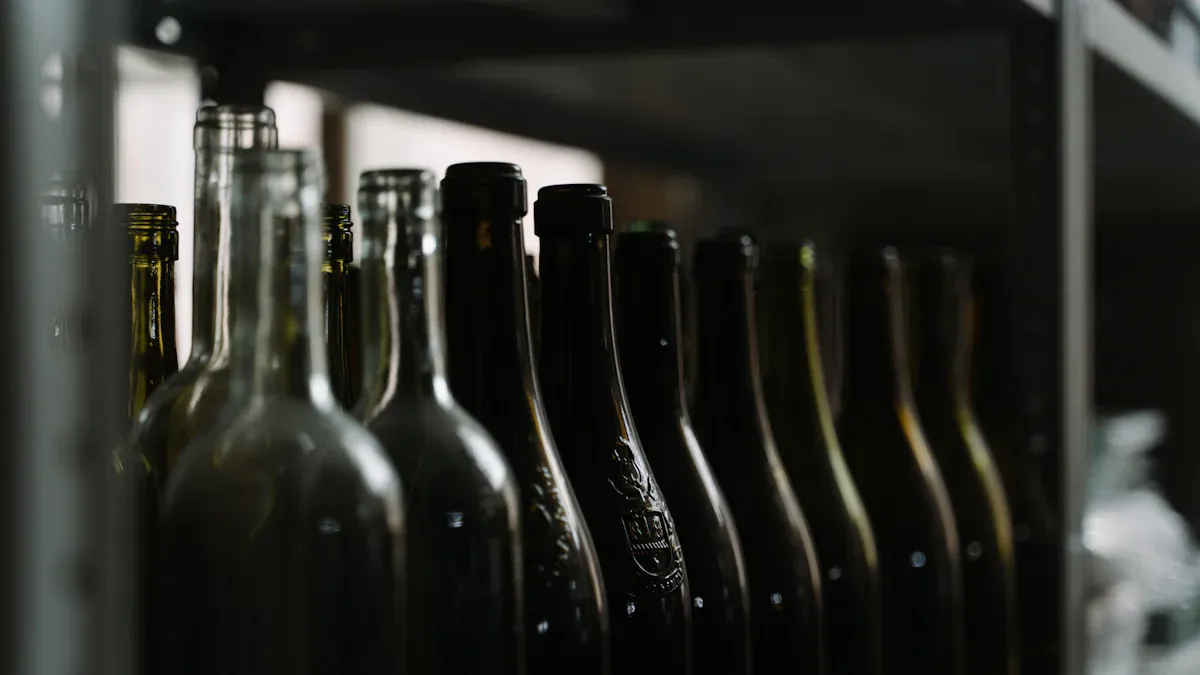
When your wine is ready, you need the right bottling gear. These tools help you store your wine safely and keep it tasting fresh. You can find many options for bottles, corks, corkers, and racks. Each item plays a key role in the final step of winemaking.
Wine bottles hold your finished wine. You can choose from different shapes and sizes. Most home winemakers use 750 ml glass bottles. Clear bottles work well for white wines. Green or brown bottles protect red wines from light. You should always use clean, food-grade bottles.
| Bottle Type | Best For | Color Options |
|---|---|---|
| Standard | Most wines | Clear, Green |
| Bordeaux | Red wines | Green, Brown |
| Burgundy | White wines | Clear, Green |
Tip: Inspect each bottle for chips or cracks before filling. Damaged bottles can break and waste your wine.
Corks seal your bottles and keep air out. You can pick natural corks, synthetic corks, or screw caps. Natural corks work well for wines you plan to age. Synthetic corks resist mold and last longer. Screw caps offer easy sealing for quick drinking wines.
Natural corks: Best for aging wine.
Synthetic corks: Good for short-term storage.
Screw caps: Easy to use and reseal.
You need to soak natural corks in warm water before use. This makes them easier to insert.
Corkers push corks into bottles. You can choose hand corkers or floor corkers. Hand corkers work for small batches. Floor corkers give you more power and control for larger batches.
Note: Practice with a few empty bottles first. This helps you avoid breaking bottles or damaging corks.
Racks hold your bottles after you fill them. You can use wooden, metal, or plastic racks. Racks keep bottles on their sides, which keeps corks moist and prevents air from entering. You can stack racks to save space.
Wooden racks: Classic look, sturdy.
Metal racks: Durable, easy to clean.
Plastic racks: Lightweight, affordable.
A good rack helps you organize your wine and lets it age properly. You should store your bottles in a cool, dark place.
If you want to take your winemaking to the next level, you can try advanced Wine Making Equipment. These tools help you make larger batches, improve flavor, and create a more professional product.
A wine press helps you squeeze juice from grapes or fruit. You place the crushed fruit inside the press and turn the handle. The press pushes the juice out, leaving the skins and seeds behind. You get more juice and less mess. Many home winemakers start with a small hand press. Larger presses work well if you make big batches.
Tip: Clean your wine press right after use. Juice can dry and become hard to remove.
Crushers break up grapes or fruit before pressing. You pour the fruit into the crusher and turn the crank. The crusher smashes the fruit, making it easier to press. Some crushers have rollers, while others use paddles. Crushing helps you get more juice and better flavor.
Hand crushers: Good for small batches.
Motorized crushers: Best for large amounts of fruit.
Filters help you make clear wine. You use a filter to remove tiny bits of yeast or fruit that make wine look cloudy. There are different ways to filter wine. Some systems use a vacuum to keep out air and prevent oxidation. Others use filter pads with different thicknesses. You start with a coarse pad and finish with a fine one. More surface area means faster and better filtering.
| Filtration Method | Description |
|---|---|
| Closed Filtering System | Works under vacuum to reduce oxidation. |
| Filter Pads | Use coarse pads first, then finer ones for best results. |
| Surface Area | More pads or bigger pads filter wine more efficiently. |
Degassing tools remove extra carbon dioxide from your wine. If you skip this step, your wine may taste fizzy or have bubbles. You can use a special stirring wand or a vacuum pump. Stirring by hand works, but a tool makes the job faster and easier. Degassing helps your wine taste smooth and still.
Oak barrels add flavor and help your wine age. You pour your wine into the barrel and let it sit for weeks or months. The wood gives your wine notes of vanilla, spice, or smoke. Barrels come in many sizes. Some hold just a few gallons, while others can hold up to 225 liters. If you make large batches, a big barrel is a good choice.
Note: Oak barrels need care. Rinse them before use and keep them filled to stop leaks.
Some advanced Wine Making Equipment, like grape destemmers and commercial corking machines, are available from suppliers such as GW Kent. These upgrades help you work faster and make better wine if you want to grow your hobby.
You have learned about important wine making equipment. Begin with simple tools such as fermentation buckets and airlocks. As you get better, use more advanced equipment. Testing new tools can help your wine taste better. It also makes winemaking more fun.
Pick good supplies from stores you trust.
Tell friends about your winemaking experiences.
Tip: Using strong equipment helps you make good wine each time.
You need a food-grade fermentation bucket. This tool starts your wine safely. It keeps germs out and lets you control the process. Most starter kits include one.
You should clean and sanitize every tool before and after each use. This step prevents germs from spoiling your wine.
Tip: Never skip sanitizing, even if your equipment looks clean.
Yes, you can reuse wine bottles. Wash them well with a bottle brush and sanitize before filling. Check each bottle for chips or cracks.
| Step | Action |
|---|---|
| 1 | Wash thoroughly |
| 2 | Inspect for damage |
| 3 | Sanitize |
A hydrometer helps you measure sugar and track fermentation. You can make wine without one, but you may not know when fermentation finishes or how strong your wine is.
Using a hydrometer gives you better control and results.


