
Views: 0 Author: Site Editor Publish Time: 2025-09-22 Origin: Site
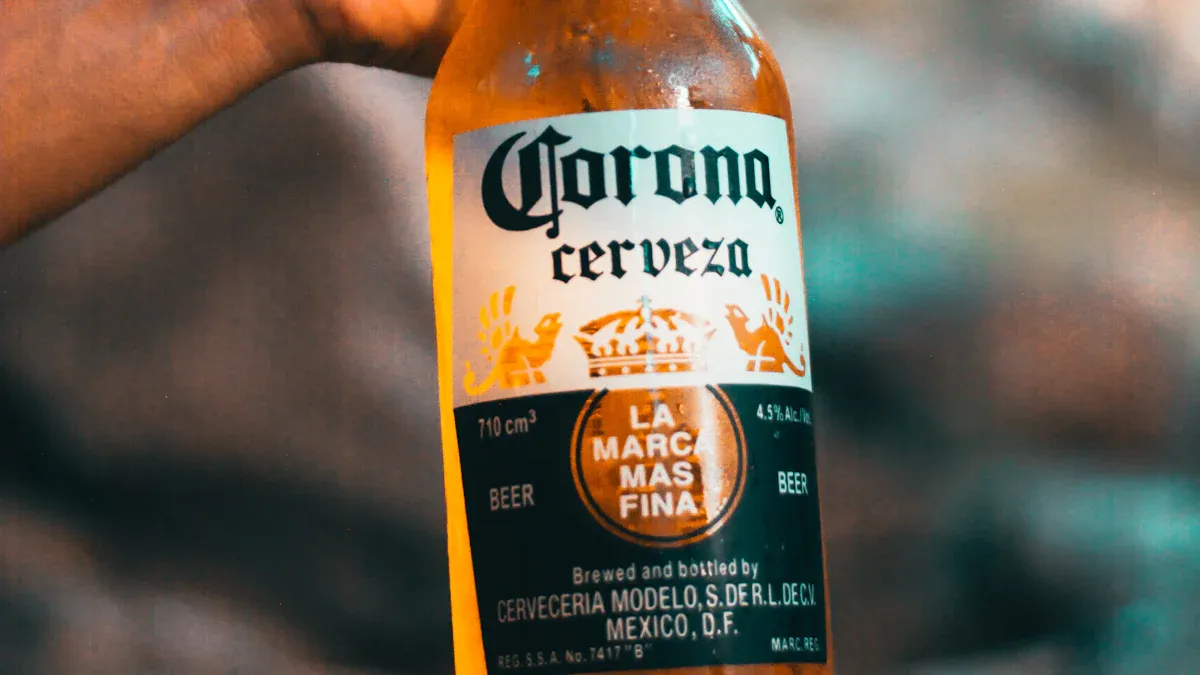
Does Beer Go Bad? You might think that beer has a true expiration date, but that’s a common mix-up.
Many people believe:
The date really just warns you that flavor might change. If you store beer right, it can even taste better.
Beer has an expiration date.
“We’ve found the hop aroma of a fresh beer shipped overnight from Boston compared to the same beer that just sat here in Chico was very much reduced,” said Nielsen. Aroma is key to your taste and enjoyment.
Freshness matters. When beer gets old, you’ll notice changes in taste and smell, which can make your drink less enjoyable.
Beer doesn't spoil like milk, but it can change in taste and smell over time. Trust your senses to determine if it's still enjoyable.
Store beer in a cool, dark place to maintain its freshness. Avoid light and heat, which can speed up spoilage.
Check for visual signs of spoilage, such as cloudiness or color changes. These can indicate that the beer is past its prime.
Old beer can still be safe to drink, but it may taste flat or off. If it smells bad or tastes strange, it's best to pour it out.
You can use stale beer in cooking, like marinating meat or baking bread. This reduces waste and adds flavor to your dishes.
You may ask if beer goes bad or just tastes different. The answer is both. Beer does not spoil like milk or juice. But it can change in ways that make it taste worse. Old beer usually will not make you sick. But you probably will not like how it tastes. How beer ages depends on what is inside and how you keep it.
Beer is always changing. Its chemicals shift over time. This can cause new smells or flavors. Some changes happen slowly. Others happen fast if beer gets hot or sits in the sun. You might taste more sweetness or even a flavor like cardboard. The bitterness goes away. The beer can taste harsh or dry. Here is a table that shows what happens as beer gets older:
| Change Type | Description |
|---|---|
| Bitterness | Goes down over time |
| Harshness of Bitterness | Goes up |
| Sweet Aroma | Goes up over time |
| Ribes Aroma | Goes up, then drops |
| Cardboard Flavor | Goes up slowly |
| Caramel and Related Aromas | Goes up (burnt, toffee, wine, whiskey, leather) |
| Fruity and Floral Flavors | Goes down |
| Ester Levels | Loses freshness; some fruity or sweet esters appear |
| Sulfur Compounds | More dimethyl trisulfide (DMTS) forms |
| Non-volatile Changes | Gets more dry and loses bitterness from oxidation |
Your favorite IPA may not taste as fresh after a few months. The fruity and floral flavors fade. You may taste more caramel or leather. Sometimes, you smell something odd, like wet cardboard or sulfur. These signs mean your beer is not at its best.
What makes beer go bad faster? Many things matter. Alcohol, bitterness, and packaging are important. Strong beers with more alcohol last longer. Lighter beers, like non-alcoholic ones, spoil faster. Hoppy beers last longer because hops help keep them fresh.
Different beer styles act in their own ways. Non-alcoholic beers and light lagers let bacteria grow more. Strong beers, like Bock A with 12% alcohol, stop germs from growing. Hoppy beers only let some bacteria survive. So, the style you pick changes how long beer stays good.
How you store beer is also important. Keep beer cold and away from light to slow spoilage. Warmth and sunlight make beer go bad faster. Here is a table that shows what can go wrong at each stage:
| Phase | More common contaminants | Effects |
|---|---|---|
| Fermentation | Acetic and lactic bacteria | Vinegar taste, smell, too much bubbles |
| Bottling | Acetic and lactic bacteria, Megasphaera and Pectinatus | Odd tastes and smells, cloudy look |
| Storage | Acetic and lactic bacteria, wild yeasts | Film on top, cloudy look |
Packaging matters too. Cans block light and protect beer. Clear bottles let in light and make beer spoil faster. Sealed cans and bottles keep out air. This helps beer stay fresh longer.
So, does beer go bad? Yes, but not like you might think. You will not see mold or chunks. But you will notice a change in taste and smell. If you want your beer to taste good, think about the style, alcohol, and how you store it.
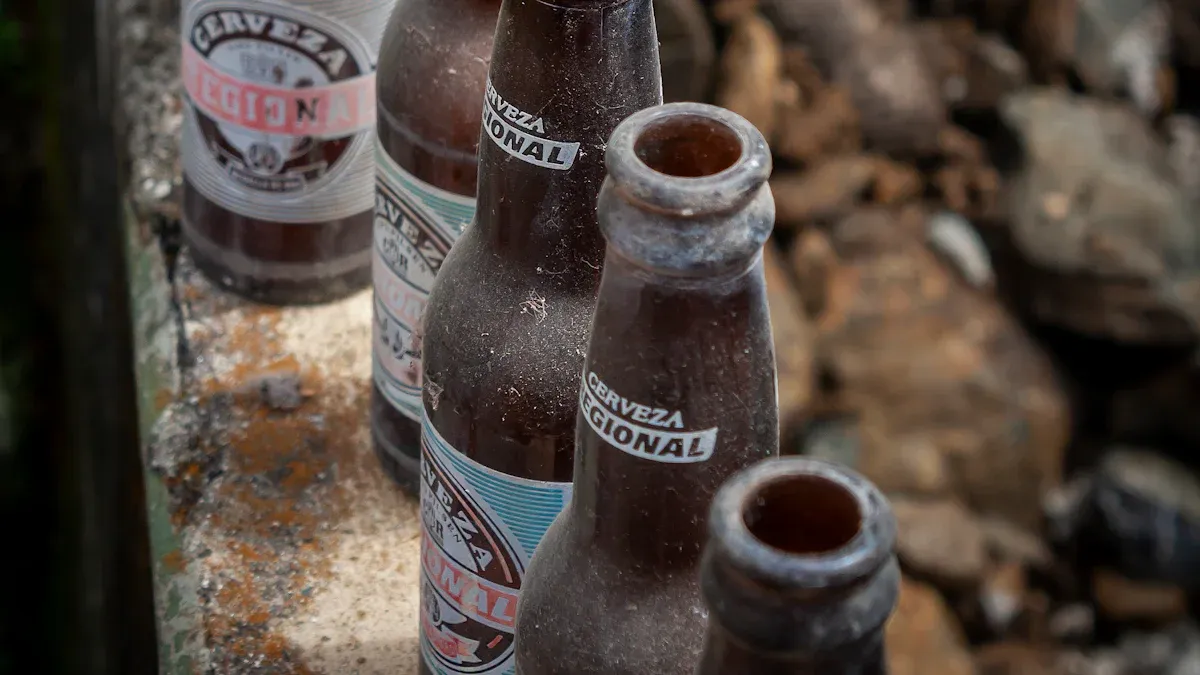
When you wonder, "Does Beer Go Bad?" you might look for clear signs before taking a sip. Spoiled beer often gives you clues if you know what to check. Let’s break down what to look for.
Your eyes can spot many problems with beer before you even taste it. Here are some things you might notice:
Cloudiness: If your beer looks hazy or murky when it should be clear, something may be wrong. Some styles are naturally cloudy, but sudden changes can signal spoilage.
Color Changes: Beer that looks darker or lighter than usual could have aged poorly. A reddish or brown tint in a pale beer is a warning sign.
Sediment or Floaties: A little sediment is normal in some craft beers, but thick chunks or floating bits in a clear lager are not.
Viscosity: If the beer pours thick or syrupy, it may have gone bad.
Broken Seal: Always check the cap or can. If the seal looks damaged or the bottle leaks, air may have spoiled the beer.
Tip: If you open a bottle and don’t hear the usual “pssst” sound, the carbonation may have escaped. This can mean the beer is old or the seal broke.
Your nose and mouth are great tools for spotting spoiled beer. Sensory analysis studies show that as beer ages, the good smells—like fruity and floral notes—fade away. Instead, you might notice bad aromas, such as cardboard, bread, or even rotten eggs. These changes happen faster if you store beer in warm places or in clear bottles.
Here are some common off-flavors and their causes:
| Chemical Compound | Off-Flavor Description |
|---|---|
| Mercaptan | Smells like garbage or sewage |
| Metallic | Tastes like metal, often from iron |
| Mousy | Cereal-like flavor, common in sour beers |
| Onion/Garlic | Sharp, savory smell from certain hops |
| Phenolic | Clove or medicine-like aroma |
| Sulfur Dioxide | Burnt match or sulfur smell |
| Diacetyl | Buttery or butterscotch flavor |
| Dimethyl Sulfide (DMS) | Canned corn or cooked vegetable aroma |
| Ethyl Acetate | Fruity at low levels, but harsh and solvent-like when high |
| Hydrogen Sulfide | Rotten egg smell |
| Isovaleric Acid | Cheesy or sweaty sock aroma, often from old hops |
| Lactic Acid | Tangy or sour taste, which is bad in non-sour beers |
You might also taste sweetness or breadiness that wasn’t there before. Sometimes, beer tastes flat, harsh, or even like cardboard. These are all signs that your beer is past its prime.
Note: Packaging matters. Beer in cans often keeps its flavor longer than beer in glass bottles. Warm storage and too much light can speed up spoilage.
Fizz is a big part of what makes beer refreshing. When beer goes bad, it often loses its bubbles. Here’s what to watch for:
No “pssst” Sound: When you open a fresh beer, you should hear a pop or hiss. If you don’t, the beer may have lost its carbonation.
Flat Pour: If you pour the beer and see no foam or bubbles, it’s probably gone flat.
Dull Mouthfeel: Beer should feel lively on your tongue. If it tastes dull or lifeless, the carbonation is gone.
A lack of fizz doesn’t always mean the beer is unsafe, but it does mean the drinking experience won’t be as good.
Remember: If you notice any of these signs, your beer probably won’t taste right. It’s usually safe, but you might not enjoy it.
You might wonder if drinking expired beer is risky. Most of the time, beer past its date is safe to drink, but it may not taste great. Food safety authorities say that the "best before" date on beer is just a guideline for quality. It does not mean the beer is unsafe after that date. You can often drink beer months after its best before date, especially if you keep it cold. For example:
A typical lager can still taste fine 6 to 24 months after its best before date if you store it in the fridge.
Some styles, like porters and stouts, may even get better with age when stored properly.
The type of beer and how you store it matter most for freshness.
If you notice a strange smell, taste, or look, the beer probably lost its best flavor. You might not enjoy it, but it is usually not dangerous.
The main thing that changes is the taste. Old beer can taste flat, sour, or like cardboard. You may see less fizz or a dull color. These signs show the beer is past its prime, but not necessarily unsafe.
You may ask, "Does Beer Go Bad and make you sick?" The answer is simple. Drinking expired beer rarely causes health problems. The risks from old beer are about the same as drinking fresh beer. Most beer does not spoil in a way that makes you sick. Harmful bacteria do not grow easily in beer because of the alcohol and hops.
If you drink spoiled beer, you might feel a little upset stomach, but serious health risks are not documented. You should trust your senses. If the beer smells bad or tastes off, it is best to pour it out. Always check the seal and look for signs of spoilage before you drink.
Tip: When in doubt, remember that bad flavor is the biggest problem with expired beer, not safety.
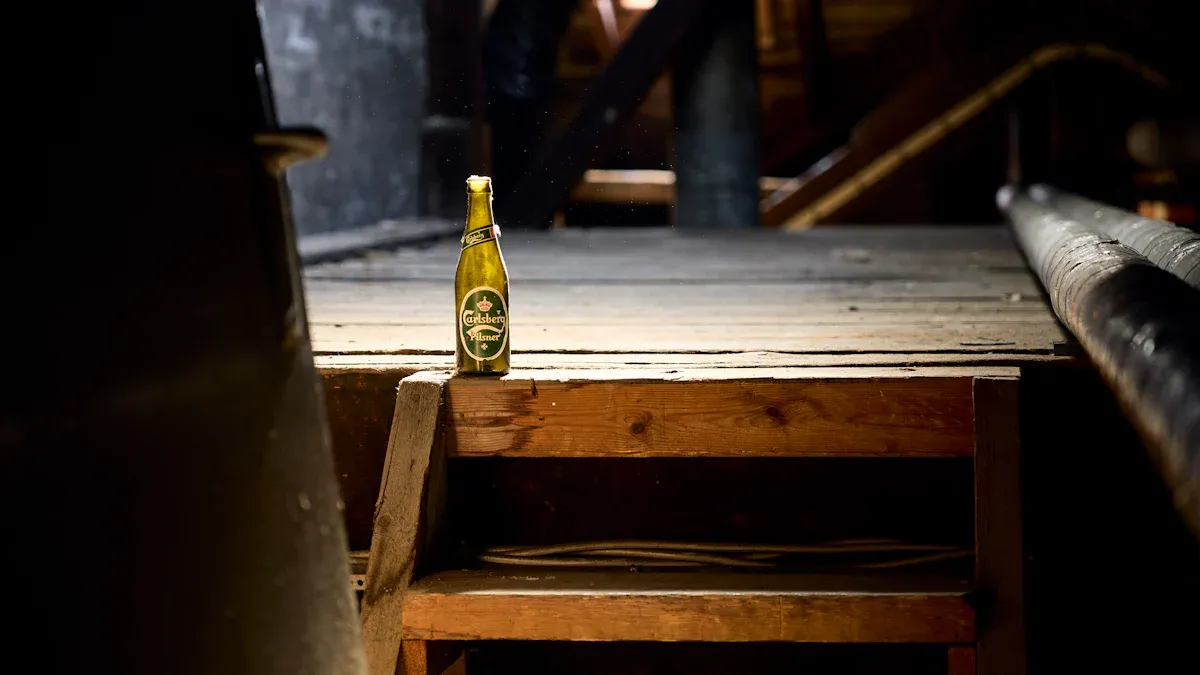
Keeping your beer fresh is easier than you think. You just need to pay attention to a few simple things. Let’s look at how you can make sure your beer tastes great every time you open a bottle or can.
Temperature plays a huge role in beer freshness. If you store beer too warm, it ages quickly and loses flavor. If you keep it too cold, you risk freezing and changing the taste. Most breweries recommend these temperature ranges:
Lagers stay freshest at about 45°F (7°C).
Ales do best closer to 55°F (13°C).
For most beers, try to keep them between 45°F and 55°F.
Avoid storing beer at room temperature. Warm storage can cause oxidation and stale flavors.
Don’t put beer in the freezer. Freezing can ruin the taste and texture.
Tip: A dedicated beer fridge set to the right temperature can help you enjoy every sip.
Light can spoil beer faster than you might expect. Sunlight and even indoor lights can trigger chemical reactions that make beer taste skunky or off. You should always keep your beer in a cool, dark place. If you have to store bottles on a shelf, pick a spot away from windows and bright lights.
| Storage Location | Risk of Spoilage | Best Practice |
|---|---|---|
| Sunlit Window | High | Avoid |
| Dark Cabinet | Low | Recommended |
| Refrigerator | Very Low | Ideal |
Remember: Light is the enemy of beer freshness. The less light, the better.
Packaging makes a big difference in how long your beer stays fresh. Some containers protect beer better than others:
Cans give the best protection. They block out light and seal tightly, keeping oxygen away from your beer.
Brown glass bottles work well. They reduce light exposure and help preserve flavor.
Clear or green bottles offer the least protection. Beer in these bottles can spoil faster, especially if exposed to light.
If you want your beer to last, choose cans or brown bottles when possible. Always check that the seal is tight before storing.
Does Beer Go Bad faster if you ignore these tips? Yes! Improper storage speeds up spoilage and ruins the taste. Take care of your beer, and it will take care of you.
You might think old beer belongs in the trash, but your kitchen says otherwise. Stale beer can add flavor and moisture to many dishes. Here are some tasty ways you can use it:
Marinate Meat: Beer makes a great marinade. It helps tenderize tough cuts and can even lower harmful chemicals when you grill. Just soak your steak or chicken in beer with some spices before cooking.
Bake Beer Bread: Got a flat lager? Use it in bread recipes. Beer helps the dough rise and gives your bread a rich, malty taste.
Grill Juicy Chicken: Try the classic “beer can chicken.” Place a half-full can of beer inside a chicken and grill it. The steam keeps the meat juicy and adds flavor.
Braise or Steam Seafood: Swap water for beer when you cook mussels or shrimp. Beer brings out new aromas and keeps seafood moist.
Tip: Old beer is usually safe to cook with, but taste it first. If it smells like wet cardboard, your food might pick up that flavor. Cooking does not remove all the alcohol, so keep that in mind if you cook for kids or anyone avoiding alcohol.
You can do more than cook with old beer. If you want to cut down on waste, try these creative uses:
Compost or Animal Feed: If you brew at home, you can add spent grain to your compost pile or feed it to livestock. This helps your garden and reduces waste.
Make Hand Sanitizer: Some breweries turned expired beer into hand sanitizer during the pandemic. You can’t do this at home, but it shows how beer can be reused in smart ways.
Create Renewable Energy: Some companies turn old beer into natural gas. In Australia, a plant even powers itself by mixing beer with sewage sludge.
Here’s a quick look at how reusing beer helps the planet:
| Environmental Benefit | Description |
|---|---|
| Reducing Waste | You send less to the landfill when you repurpose old beer. |
| Creating Renewable Energy | Old beer can become natural gas, which powers homes and businesses. |
| Sustainable Building Materials | By-products from beer can help make eco-friendly bricks and other materials. |
Note: Every time you find a new use for old beer, you help the environment and get more value from every bottle.
You now know how to spot bad beer and keep your drinks fresh. Scientists use PCR tests to quickly find spoilage organisms, so breweries can catch problems fast. You can help your beer last longer by following these tips:
Store beer in a cool, dark fridge.
Keep your storage area clean.
Label beers with purchase dates.
Avoid strong odors near your beer.
Beer doesn’t expire like milk, but you’ll notice changes in taste and smell. Trust your senses—if it looks, smells, or tastes off, it’s time to toss it.
Once you open a beer, you should drink it within a day. The fizz and flavor fade fast. If you leave it open, it can taste flat or stale. For the best taste, finish your beer soon after you open it.
Yes, you can. The date shows when the beer tastes best. Old beer might taste dull or flat, but it usually stays safe to drink. Trust your nose and taste buds. If it smells or tastes bad, pour it out.
You probably will not get sick. Spoiled beer tastes bad, but it rarely causes harm. You might feel a little upset stomach. If you notice a strange smell or taste, it is better to skip that beer.
Yes, freezing can ruin beer. The liquid expands and may break the bottle or can. The taste and texture change, too. Always keep your beer cold, but never let it freeze.


