
Views: 0 Author: Site Editor Publish Time: 2025-07-18 Origin: Site
You can get beer brewing equipment from many places. Online stores, local homebrew shops, big stores, and used item sites all have choices. When you pick where to buy, think about what is most important to you:
Easy shopping, like home delivery and safe payment.
Many choices and clear product details.
Good help from workers, online groups, or learning guides.
Take some time to find the best store for your needs. You will get the right setup for your next brew.
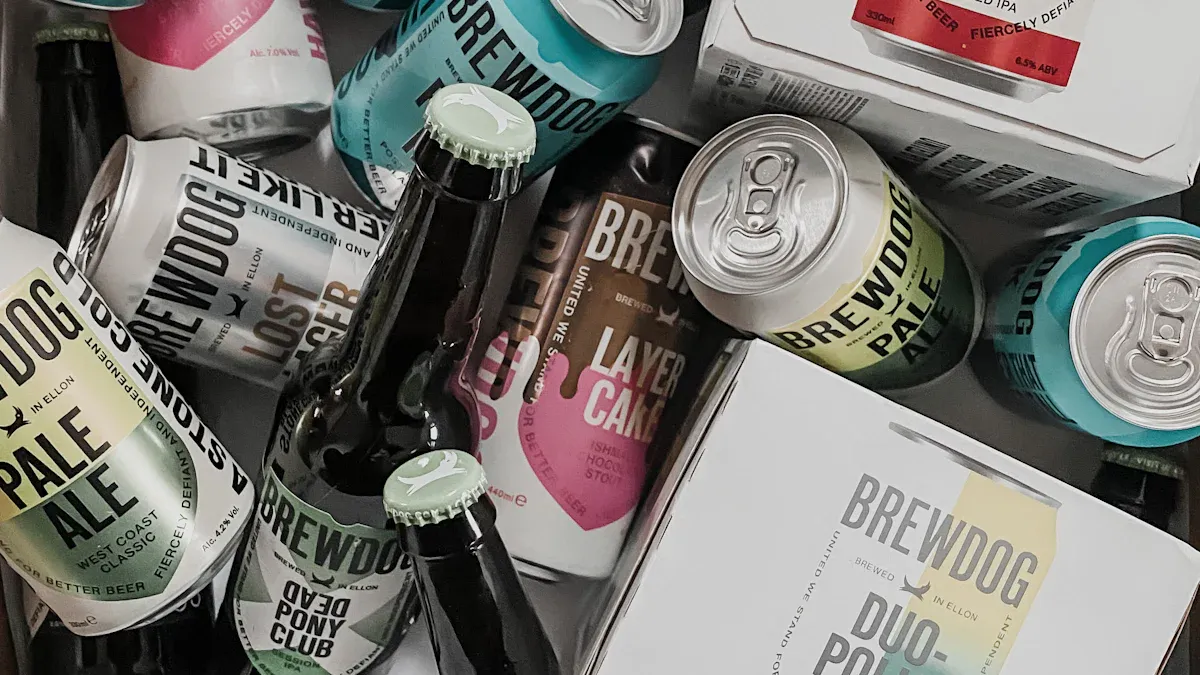
There are many places online to buy beer brewing equipment. Some popular sites are Northern Brewer, MoreBeer, Midwest Supplies, William's Brewing, Ss Brewtech, and Amazon. Many people like MoreBeer because it has lots of choices. You can get starter kits or more advanced brewing systems there. Midwest Supplies is also liked for its big selection and helpful workers. Amazon is easy to use and ships fast, but you might not get expert help like at a special store.
Tip: MoreBeer is known for fresh products and quick service. Midwest Supplies has a simple website and nice workers.
Specialty stores online only sell brewing gear. These shops give expert advice and have special products. You can often change your order to fit what you want. Many stores help you after you buy, like with repairs or training. Some stores sell advanced brewing systems for serious homebrewers. If you want to make your setup better or need something special, these stores are a good pick.
You get advice from experts.
You can choose what you need.
Stores help you learn or fix your gear.
Equipment is checked for good quality.
Specialty stores help you get better at brewing.
| Pros | Cons |
|---|---|
| Lots of products to pick from | Shipping costs can be high |
| Prices are often low | Delivery can take longer |
| Free shipping if you buy a lot | Some sites do not have experts |
| Reviews help you decide | Some items ship slower |
Many stores have flat-rate shipping. Brewmasters Warehouse and Austin Homebrew Supply charge $6.99 for any order size. This helps you save money if you buy a lot at once. If you live close to the store, your order may arrive faster. This is important for things like yeast.
Looking for a local shop that sells beer brewing equipment? You have a few easy ways to start your search. Try using the American Homebrewers Association (AHA) directory. This tool lets you search by city, state, or even ZIP code. You can also check Google Maps for homebrew supply stores near you. If you want personal advice, join a local homebrew club. Members often know the best places in town and can share their favorite shops. Some clubs even have deals with local stores or know which ones have the best service.
Tip: Ask other brewers in your area for recommendations. They often know which shops have friendly staff and good prices.
Shopping at a local store gives you more than just equipment. You get to see and touch the products before you buy. Many people like the chance to ask questions and get advice from staff who brew beer themselves. Local shops often have fresh ingredients, like yeast and hops, ready for you to pick up. You can also find special deals on bulk items or larger pieces of equipment, which can save you money when you factor in shipping costs.
Here are some reasons people choose local shops:
You get help from staff who know brewing.
You can buy what you need right away.
Some shops offer classes or events for learning.
You support small businesses in your community.
Walking into a homebrew shop feels different from shopping online. Staff members often belong to local brewing clubs and love to share tips. You might find brewing kits, bulk grains, and even rare yeast strains. Some shops let you brew on-site or join group events like Big Brew day. The atmosphere is friendly and welcoming, whether you are new to brewing or have years of experience.
Many shops offer perks like discounts for club members, recipe of the month programs, or even tasting events. You can meet other brewers, swap stories, and get inspired for your next batch. If you ever need help or want to try something new, your local shop is a great place to start.
You might wonder if you can find beer brewing equipment at big-box stores. The answer is yes, but it depends on where you live. Stores like Walmart, Target, and even some hardware chains carry basic brewing kits. You can often find these kits in the kitchen or seasonal section. Some stores only stock them during certain times of the year, like before holidays or summer. If you want to check what is in stock, you can look online before you visit. Many big-box stores let you see what is available at your local branch.
Tip: Ask a store worker if you cannot find the brewing kits. Sometimes they keep them in a special aisle or in the back.
You may also find some brewing supplies at stores that focus on outdoor living or camping. These places sometimes carry small kits for people who want to try brewing as a hobby.
Big-box stores usually offer a smaller selection than specialty shops or online retailers. You will likely see starter kits that include the basics: a fermenter, a spoon, a sanitizer, and a simple recipe. These kits work well if you are new to brewing or want to try it out without spending much money. You might also find a few refill ingredient packs, but you will not see many advanced tools or rare ingredients.
Here is what you can expect at most big-box stores:
Beginner-friendly kits
Limited ingredient packs
Basic tools like bottles or caps
If you want more choices or advanced gear, you may need to shop online or visit a local homebrew shop. Big-box stores make it easy to start, but they do not have everything. You can always use them for quick buys or gifts, but serious brewers often look elsewhere for more options.
You have many places to find used beer brewing equipment. Online marketplaces like eBay and Amazon often have listings for both small and large gear. If you want something more focused, check out BrewBids. This site only lists new and used brewery and distillery equipment. You can browse hundreds of active listings and even connect with sellers directly. AMCbid is another good choice. It runs auctions for high-quality pre-owned brewing gear, sometimes at prices 30% lower than new. You might also find deals at local breweries, trade shows, or through classified ads. Some equipment makers and distributors sell used items, too.
Tip: Ask around at local homebrew clubs or industry events. Sometimes, word of mouth leads to the best deals.
Buying secondhand can save you a lot of money. Many people choose used equipment because it costs much less than buying new. You can get started faster and avoid long wait times. Used gear often holds its value better, too. But you should watch out for a few things:
Check the equipment for signs of heavy use or damage.
Ask for maintenance records if possible.
Make sure the parts fit your brewing setup.
Think about extra costs, like repairs or upgrades.
Here’s a quick look at the pros and cons:
| Benefits | Risks |
|---|---|
| Lower upfront cost | More repairs may be needed |
| Faster to get started | No warranty in most cases |
| Less depreciation | May not fit your system |
| Proven performance if maintained | Older technology or features |
You might find tanks or tools from closed breweries. These can be a great deal, especially for small or new brewers. Just remember, cheap gear often means more work and upkeep.
Before you buy any used beer brewing equipment, always check it carefully. Start by looking for cracks, dents, or deep scratches. Buckets and carboys should be clean and free of damage. Avoid anything with lots of scratches, especially on plastic, since bacteria can hide there.
Follow these steps to make sure your gear is safe:
Clean all parts with a brewery wash like PBW.
Soak and agitate the equipment to remove old residue.
Use soft cloths or sponges on plastic and metal. Only use brushes on glass.
Rinse with cool water and let everything dry.
Sanitize with a solution like Star San for at least 60 seconds.
Let the equipment air dry on clean towels.
Note: Never use bleach or a dishwasher to sanitize your brewing gear. These can damage the equipment or leave harmful residues.
If you take your time and check everything, you can find great deals and start brewing with confidence.
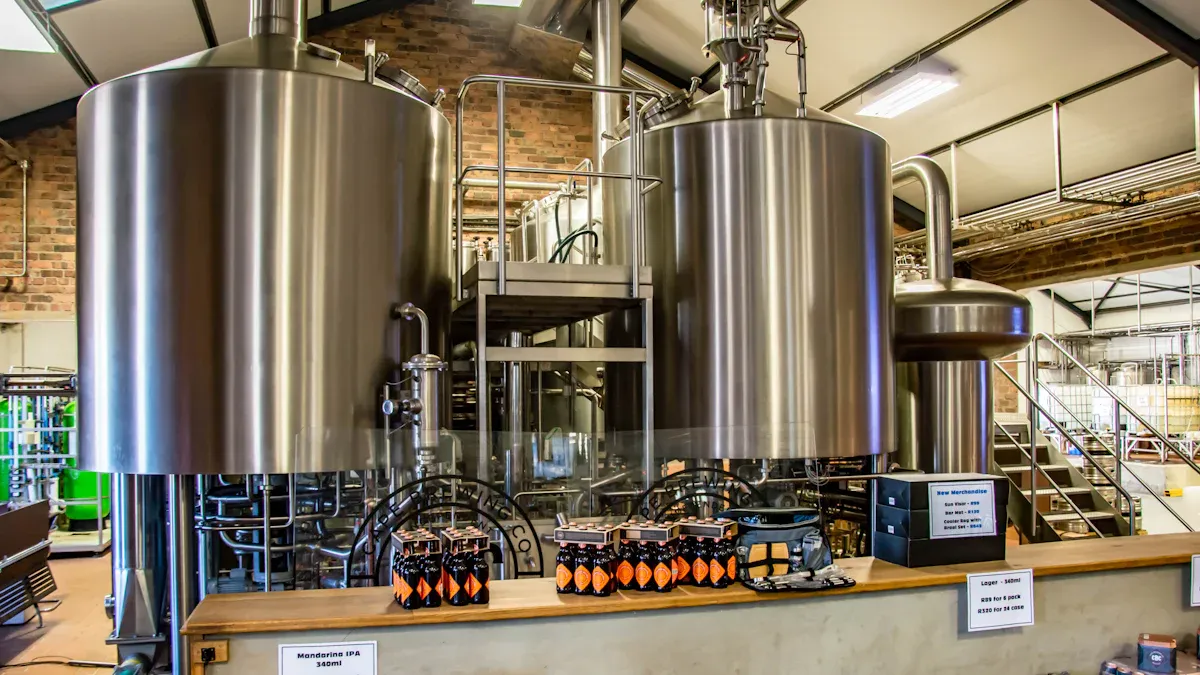
When you shop for beer brewing equipment, you want to make smart choices. Let’s break down what matters most so you can pick the right gear for your brewing journey.
Price is usually the first thing you notice. You can find starter kits for beginners that cost as little as $40. Some advanced kits go up to $400 or more. If you buy each piece on its own, you might spend even more. Starter kits often save you money and give you everything you need to get started.
Here’s a quick look at common kit prices:
| Kit Type | Price Range (USD) |
|---|---|
| Flash Brewing Starter Kits | $42.99 - $109.99 |
| Extract Brewing Kits | $84.99 - $269.99 |
| All-Grain Kits | $289.99 - $429.99 |
| Electric All-Grain Kits | Starting at $429.99 |
| Basic Starter Kits | Around $40 - $110 |
If you want to save even more, you can look for used beer brewing equipment. Used gear usually costs about half as much as new gear. Here’s a table that shows how much you might pay for new versus used equipment:
| Equipment Category | New Equipment Average Price Range (USD) | Used Equipment Average Price Range (USD) |
|---|---|---|
| Brewhouse Systems (3-5 bbl) | $50,000 – $80,000 | $30,000 – $50,000 |
| Fermentation Tanks (3-5 bbl) | $8,000 – $15,000 | $5,000 – $10,000 |
| Bright Tanks (3-5 bbl) | $5,000 – $10,000 | $3,000 – $7,000 |
| Bottling Lines (Manual) | $10,000 – $30,000 | $5,000 – $20,000 |
| Kegging Systems (Manual) | $5,000 – $15,000 | $3,000 – $7,000 |
| Additional Equipment (Grain Mill) | $2,000 – $10,000 | $1,500 – $5,000 |
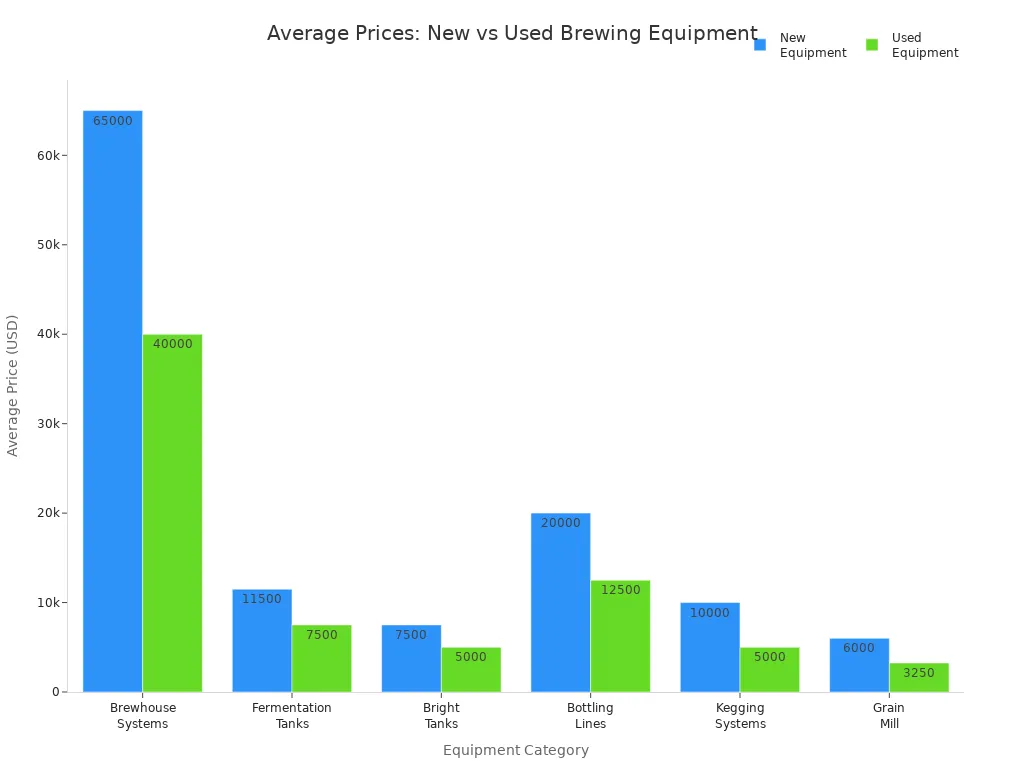
Tip: Used equipment can save you a lot of money, but always check for damage or missing parts before you buy.
You have many choices when it comes to beer brewing equipment. Starter kits are great if you want everything in one box. These kits usually include a fermenter, bottling bucket, hydrometer, thermometer, bottle capper, and sometimes even a kettle and ingredients. For example, MoreBeer offers a kit for about $70, while Northern Brewer’s kit costs around $110 and includes a kettle and ingredient kit.
If you want to build your own setup, you can buy each piece separately. This lets you pick exactly what you want, but it often costs more. You might also need to do more research to make sure all the parts work together.
Here’s a quick comparison of what you get in two popular starter kits:
| Item | MoreBeer Kit | Northern Brewer Kit | Notes |
|---|---|---|---|
| Fermenter Bucket | Yes | Yes | Both include spigots and air locks |
| Bottling Bucket | Yes | Yes | Both with spigots |
| Hydrometer | Yes | Yes | Both include test jar |
| Thermometer | Yes | Yes | Upgrade recommended |
| Bottle Capper & Caps | Yes | Yes | Caps for 5 gallons included |
| Kettle | No | Yes | 5 gallon stainless kettle in Northern |
| Ingredient Kit | No | Yes | 5 gallon extract kit included |
| Price | ~$70 | ~$110 | Approximate prices |
Note: Starter kits are perfect for beginners. If you have more experience, you might want to upgrade to bigger or more advanced equipment.
Good support makes brewing easier and more fun. Many big retailers offer help with setup, training, and troubleshooting. You can get advice on how to use your equipment, fix problems, or even design your brewing space. Some stores offer:
Installation services
Operator training
Ongoing technical support
Troubleshooting help
Aftersales service and warranty
Maintenance and parts access
You can also find support in local homebrew clubs or online forums. If you ever get stuck, you’ll have someone to help you out.
Tip: Choose a store or brand that offers strong customer support. It can save you time and frustration.
Shipping and return policies matter, especially if you order online. Some stores offer free or flat-rate shipping if you spend a certain amount. Others charge by weight or distance. Always check how long shipping will take, especially for items like yeast that need to stay fresh.
Returns are important, too. Look for stores with easy return policies in case something arrives broken or doesn’t fit your needs. Read the fine print before you buy.
Here’s a quick checklist for shipping and returns:
Check if shipping is free or flat-rate for large orders.
See how long delivery will take.
Make sure the store accepts returns and has a clear policy.
Ask if you need to pay for return shipping.
Remember: Fast shipping and easy returns make your brewing experience smoother.
Before you buy any beer brewing equipment, take a few minutes to read reviews. Reviews from other brewers can help you spot the best products and avoid common mistakes. Look for feedback about quality, ease of use, and customer service. If you see lots of positive comments about a supplier’s support or fast shipping, that’s a good sign. Watch out for repeated complaints about missing parts or poor instructions.
Tip: Ask questions in brewing forums or local clubs. Real people often share honest opinions and helpful advice.
You have many choices when it comes to brewing gear. To make the best decision, compare your options side by side. Use a table like the one below to keep track of what matters most:
| Criteria | What to Check For |
|---|---|
| Equipment Offerings | Does the supplier have everything you need, like fermenters and bottling tools? |
| Customization | Can you adjust the setup to fit your space or brewing style? |
| Quality | Are the materials strong and easy to clean? |
| Performance | Will the equipment help you brew better beer with less effort? |
| Service | Does the company offer training or help if something breaks? |
| Experience | Has the supplier helped other brewers like you before? |
| Pricing | Are the prices fair, including shipping and maintenance costs? |
Don’t forget to check technical details, like how much beer you want to make and how much space you have. Visit other breweries or talk to people who use the same equipment. This helps you see how things work in real life.
Planning is key when buying brewing gear. Some equipment takes months to arrive, especially if you want custom features. Experts suggest you start shopping at least six months before you plan to brew. This gives you time to compare suppliers, ask questions, and get everything set up right.
Make a list of what you need.
Set a budget and look for deals or used items.
Talk to suppliers about delivery times and support.
Think about future upgrades or changes.
Remember: Careful planning helps you avoid delays and costly mistakes. You’ll enjoy brewing more when you know you picked the right gear.
You have many ways to buy beer brewing equipment. Each option has its own perks and drawbacks. Check out this quick table:
| Option | Pros | Cons |
|---|---|---|
| New | Warranty, latest features | Higher cost |
| Used | Lower price | No warranty, wear |
| Local Shop | Personal help, fresh stock | Smaller selection |
| Online | Big variety, good deals | Wait for shipping |
Think about what matters most to you. Read reviews and ask experts or local brewers for advice. Start simple, enjoy the process, and let your brewing adventure begin!
You should start with a local homebrew shop or a trusted online store like MoreBeer or Northern Brewer. These places offer starter kits and friendly advice. You can ask questions and get help if you need it.
You can use some kitchen tools, like pots and spoons. You still need special items, such as a fermenter and airlock. These help you make safe and tasty beer at home.
Check for cracks, rust, or strong smells. Clean everything well before use. If you see damage or cannot clean it, skip that item. Ask the seller about the equipment’s history.
You do not need much space. Many people brew in their kitchen or garage. A small table or counter works for most starter kits. Just keep your area clean and organized.
Check the instructions first.
Ask for help at your local shop.
Search for answers in online brewing forums.
Contact the store where you bought the equipment.
Most problems have simple fixes. Do not give up!


