
Views: 0 Author: Site Editor Publish Time: 2025-12-26 Origin: Site
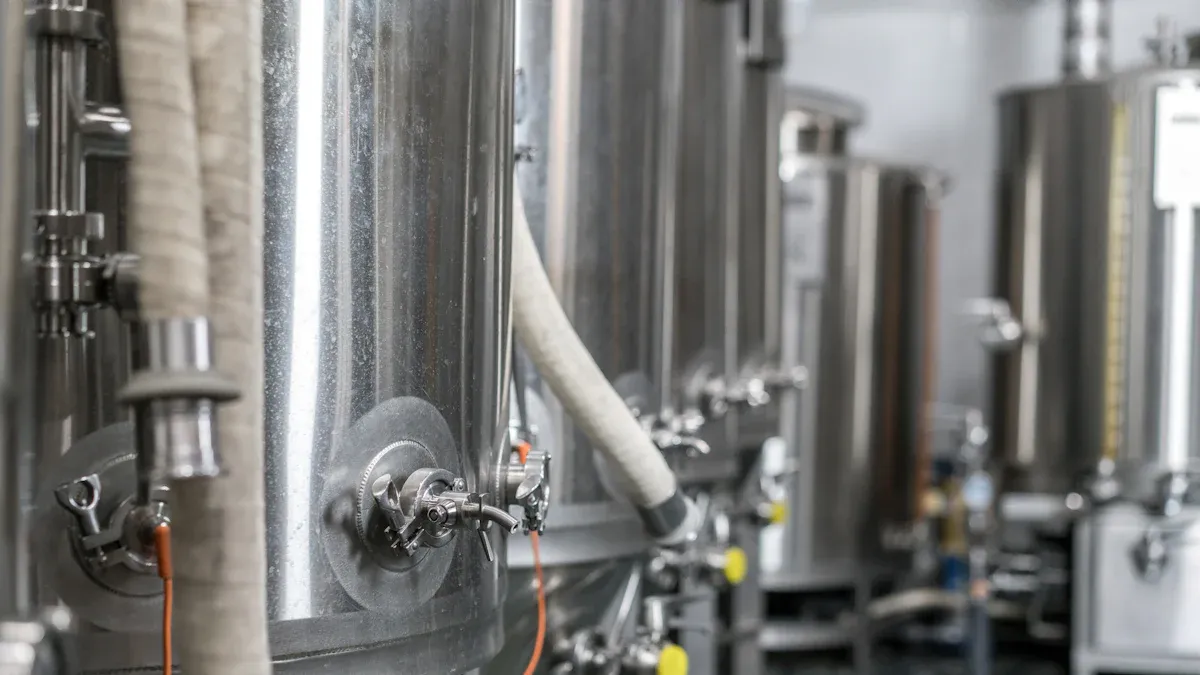
Imagine you run a busy brewery and need new machines for your next beer batch. You want every choice to help your business get bigger. The right commercial beer brewing equipment can save you money at first. It can also help you work faster and make your beer taste better. When you know about each brewing process part and equipment feature, you can make your customers happier. Using a step-by-step plan helps you pick the best choice for your brewery and feel sure about it.
Set your brewery's production goals. Decide how much beer you want to make each year. This helps you pick the right equipment.
Check your capacity needs. Make sure your equipment size matches your brewing goals. This keeps things running smoothly.
Think about your brewery's space. Pick equipment that fits your space. Make sure there is room to grow later.
List the beer styles you want to make. Match your equipment to each beer style's needs. This helps you make better beer.
Pick the best brewing machine type. Choose from modular, automated, or turnkey systems. Pick what your brewery needs most.
Focus on automation for better work. Automated systems save time and keep your beer the same every time.
Check the material quality. Choose high-grade stainless steel or red copper. This makes your equipment last longer and stay clean.
Plan for future growth. Pick equipment that is easy to upgrade as your brewery gets bigger.
You need to know your goals before picking equipment. First, decide how much beer you want to make each year. You can measure this in liters, barrels, or hectoliters. Think about what kinds of beer you want to make. You might want to make lagers, ales, or special craft beer. Planning for the future helps your brewery grow. Set goals for the next three to five years. This step helps you choose the right equipment for making commercial beer.
Decide how much beer you want to make each year.
Write down the beer styles you want to brew.
Make goals for growing your brewery over a few years.
Capacity is important when picking brewery equipment. You need to match your goals with the right size system. Microbreweries and big breweries need different things. Look at the table below to see how much space you might need:
| Brewery Type | Square Feet per Barrel of Yearly Capacity |
|---|---|
| Maximum | 40.0 |
| Minimum | 0.2 |
| Average (mean) | 4.6 |
| Median | 1.6 |
| 99% Confidence Estimate | 2.16 |
If you want a microbrewery, you need less space and smaller machines. If you want to make a lot of beer, you need more room and bigger equipment. Always check if your equipment can handle the amount you want to make. This step helps you meet demand and keeps things running smoothly.
The size of your building matters when picking equipment. Brewhouses come in many sizes and shapes. Think about your goals, how often you will brew, and how much space you have. If you want to brew five times a week and make 5,000 barrels a year, you need a brewhouse that holds about 20 barrels. The way your brewery is set up is important. You want equipment that fits your space and helps you make beer well.
Check your building’s layout and how much space you have.
Pick equipment that matches how you want to brew.
Make sure your system fits and lets you grow later.
Choosing the right equipment starts with knowing what you need. When you set goals, check capacity, and think about your space, you get ready to make great craft beer. This step helps you make good choices and gets you ready for the next steps in building your brewery.
Choosing which beer styles you want to brew shapes every decision you make about your equipment. You need to know what your customers like and what sells best in your area. Some beer styles require special brewing steps or unique ingredients. You must match your equipment to the styles you plan to produce.
Start by looking at the most popular beer styles in commercial breweries. These styles often drive sales and attract loyal customers. Here are the top ten beer styles based on recent industry data:
Bud Light
Coors Light
Miller Lite
Michelob Ultra
Modelo Especial
Yuengling Traditional Lager
Heineken
Corona Extra
Samuel Adams Boston Lager
Guinness Draught
You see that light lagers and pilsners dominate the list. These beers need precise temperature control and clean fermentation tanks. If you want to brew lagers, you need equipment that can keep your wort cool and stable. You also notice some darker styles like Guinness Draught. Brewing stouts or porters means you need tanks that handle thicker mashes and allow for longer conditioning times.
Tip: Write down the beer styles you want to offer. Match each style to the brewing steps and equipment features you need.
If you plan to make craft beers or seasonal specials, think about flexibility. Some systems let you switch between small batches and larger runs. You can test new recipes without wasting ingredients. You also need to consider the types of hops, malts, and yeast each style requires. Some equipment works better with certain ingredients.
Use a table to compare your target beer styles and their brewing needs:
| Beer Style | Fermentation Temp | Conditioning Time | Special Equipment Needs |
|---|---|---|---|
| Light Lager | Low | Short | Precise cooling, clean tanks |
| Stout | Medium | Long | Strong agitators, long tanks |
| IPA | Medium | Medium | Dry hopping ports |
| Wheat Beer | Medium | Short | Open fermenters |
You must pick equipment that supports your chosen styles. If you want to brew many types, look for machines with adjustable controls and modular parts. This helps you stay flexible and meet changing customer tastes.
Identifying your beer styles early helps you avoid costly mistakes. You buy only what you need and set up your brewery for success. You also build a brand that stands out in the market. Take time to research, ask your customers, and study local trends. Your beer style choices guide every step in your brewing journey.

There are many kinds of commercial beer brewing machines. Each kind is good for different breweries. Some machines are best for small batches. Other machines help you make a lot of beer every day. You should learn about the main types before you pick one.
Here is a table that lists the main types of commercial beer brewing machines, their key features, and who should use them:
| Type of Machine | Key Features | Ideal for |
|---|---|---|
| Modular Brewing Systems | High flexibility and customization; individual parts | Breweries that want to grow over time |
| Turnkey Breweries | Complete integrated systems; easy to install | New breweries or those wanting a simple setup |
| Pilot Systems | Small scale for research and testing | Experimenting with new recipes |
| Automated Beer Brewing Kits | Compact, user-friendly, little manual work | Beginners and homebrewers |
| Semi-Automated Systems | Some automation, some manual steps | Small craft breweries |
| Commercial Brewing Systems | Large, full control, high output | Microbreweries and mid-sized breweries |
| All-in-One Machines | All stages in one unit | Small-scale commercial brewers |
You should pick a machine that matches your brewery’s goals. If you want to try new recipes, a pilot system is a good choice. If you want your business to grow, modular brewing systems let you add more parts later. Turnkey breweries give you everything you need in one package, so you can start quickly.
You need to pick between manual and automated commercial beer brewing machines. Manual systems need more hands-on work. You will spend more time and energy on each batch. This can make labor costs higher, especially if your brewery is busy.
Automated systems use technology to do many jobs for you. These machines help you save money and make beer faster. You can use buttons or screens to control the brewing process. Automation helps you keep every batch the same. It also lowers mistakes that can happen when people do everything by hand.
Manual brewing takes more time and work. Labor costs go up.
Automated brewing systems save time and money. You can make more beer faster.
Automation keeps the brewing process steady. You get the same taste and quality every time.
Automated systems let you control and change the process. This helps you avoid mistakes and keep things the same.
Many breweries now use automated or semi-automated systems. These machines help you make more beer and keep your customers happy with the same taste every time.
Batch size flexibility means you can make small or big batches with the same machine. This helps you try new recipes or fill big orders. Commercial beer brewing machines have different batch size ranges. You should choose a system that fits what you need.
Here is a table that shows common batch size ranges:
| System Type | Batch Size Range |
|---|---|
| Pilot Systems | 1-3 BBL |
| Production Systems | 7+ BBL |
If you want to try new flavors, pick a machine that can make small batches. If you want to make a lot of beer, choose a production system. Some machines let you switch between batch sizes. This gives you more control and helps your brewery grow.
The ZPET 800L Beer Brewing Equipment is a good example of what to look for in commercial beer brewing machines. This system is for breweries that want to make between 300L and 1000L per batch. You can pick stainless steel or red copper for your equipment. This lets you match your brewery’s look and needs.
ZPET has both automatic and semi-automatic controls. You can pick the level of automation that works best for you. The system has special features like a grist hydrator and a sanitary wort pump with variable speed. These features help you keep every batch the same. The high grip brewing platform and sanitary piping make cleaning easy and safe.
You can change the ZPET 800L system to fit your needs. You can change the look, the size, and the controls. This helps you make more beer as your business grows. ZPET also gives you a 10-year warranty and full help from design to installation.
Here is a table that shows key features of the ZPET 800L Beer Brewing Equipment:
| Feature | Description |
|---|---|
| Customization | You can tailor the system to your brewery’s needs |
| Quality | Made with high-quality materials and advanced machinery |
| Warranty | 10-year warranty for peace of mind |
| One-stop Service | Support from design to after-sales |
You need to know the main parts of the brewing process when you pick commercial beer brewing machines. Each part helps you keep your beer the same and high quality.
Glycol chillers control fermentation temperature. This keeps yeast healthy and gives you the flavor you want.
Chillers stop temperature changes. This keeps every batch the same and builds customer loyalty.
Chillers also keep beer fresh and tasty. They stop spoilage and keep the flavor strong.
Bright beer tanks store beer before packaging. These tanks help you keep clarity and consistency.
Heat exchangers cool wort quickly. This step protects the flavor and helps yeast work well.
Storage tanks hold beer at the right temperature. This keeps the beer safe and ready for customers.
You should look for a brewing system that has all these parts. This helps you keep the brewing process smooth and your beer the same every time. When you know about each part, you can make better choices for your brewery equipment.
Tip: Always ask suppliers about the brewing process components included with their commercial beer brewing machines. This helps you avoid extra costs and keeps your beer quality high.
Picking the right commercial beer brewing equipment means knowing your choices, picking the right level of automation, and making sure your system fits your batch size needs. You also need to know the brewing process and the parts that keep your beer the same and fresh. The ZPET 800L Beer Brewing Equipment shows how the right system can help your brewery grow and keep your customers happy.
You want your brewery equipment to last a long time. The material you pick is very important for this. Most commercial beer brewing equipment uses stainless steel. This metal is strong and does not rust easily. Brewhouses made from stainless steel can last 10 to 15 years. Fermentation tanks may last up to 20 years. Kegs made from good materials can last 8 to 15 years. Stainless steel helps protect your money and keeps your beer safe from germs.
Some brewing systems use red copper. Red copper looks different and also fights rust. Both stainless steel and red copper help you make good beer. Always check the grade of the metal before you buy. High-grade metals keep your beer clean and your machines strong.
Tip: Ask your supplier about the metal grade and finish. This helps you stop rust and keeps your beer tasting right.
You need to choose how much control you want over brewing. Automation can change how you brew and how good your beer is. Automated systems use sensors and smart controls. These help manage temperature, pressure, and timing. These features help you make the same beer every time.
Automation cuts down on mistakes, saves time, and helps you make better beer. It lets you fix problems from far away and adds special features like auto-fill and pressure sensors. You save time, use less work, and get better beer.
Look at this table to see how automation helps:
| Aspect | Impact on Brewing Quality |
|---|---|
| Advanced Control Systems | Make sure brewing steps are watched and changed as needed |
| Automated Temperature Control | Keeps the best temperature for brewing and fermenting |
| Consistency | Makes sure each batch is the same quality |
Automated controls help you brew the same way every time. Each batch will taste the same. This is good if you want customers to come back for the same taste. Automation also saves you time and work. You can do other jobs while the system brews.
Good control of brewing steps makes your beer the same each time.
Less change in taste because you control the recipe better.
If you want your brewery to grow, pick equipment with flexible automation. You can start simple and add more controls later.
Clean machines make better beer. You must clean your equipment often to keep it working well. First, turn off your system and take apart all the pieces. Mix a safe cleaner and run it through the beer lines. Let it sit to break down any dirt. Drain the cleaner and rinse with water until it is clean. Scrub and sanitize all parts before putting them back together.
Here is an easy cleaning checklist:
Take apart all the pieces safely.
Mix and run a safe cleaner through the system.
Let it soak to remove tough dirt.
Drain and rinse with water.
Scrub, sanitize, and put everything back together.
Clean your beer lines every two weeks. This stops germs and keeps your beer fresh. Every three months, check for broken parts and change them if needed. Once a year, look at your whole system and replace old parts.
Cleaning often keeps beer lines clear and stops germs.
Deep cleaning every three months protects your machines.
Yearly checks help you stop big problems.
Sanitizing is just as important as cleaning. Use the right sanitizer and let it sit to kill germs. This step keeps your beer safe for everyone.
Note: Oil moving parts often. Use the right oil for each part, like oil-based for pumps and silicone for valves.
If you follow these steps, your beer brewing equipment will last longer and make better beer. Clean machines help you avoid big repairs and keep your customers happy.
You need to keep your brewery safe for everyone. Safety rules help stop accidents and protect your workers. You must follow rules from food and drink authorities. These rules make sure your machines are safe and your beer is clean.
Your brewing machines should use 304 or 316 grade stainless steel. These metals do not rust and last a long time. Valves, pumps, and gaskets must be food-grade. This keeps your beer safe from bad chemicals.
There are many dangers in a brewery. You have to watch out for these dangers every day. Here are some important safety areas to remember:
Ergonomics: You need to stop injuries from doing the same moves or working in odd ways.
Walking and Working Surfaces: Wet floors and things on the ground can make people fall.
Fall Protection: You need safety gear if you work higher than 4 feet.
Confined Spaces: Working inside tanks needs special safety steps.
Chemical Safety: You must have a plan for handling chemicals safely.
Personal Protective Equipment (PPE): Safety glasses and boots protect your workers.
Electrical Safety: Lockout/Tagout steps keep people safe when fixing machines.
Thermal Burns: You must cover hot surfaces over 140°F.
Machine Guarding: You need covers on moving parts to stop injuries.
Tip: Teach your workers about safety rules and give them the right gear. Check for safety problems often so you can fix them early.
You also need to follow cleaning rules. Clean machines stop germs and keep your beer safe. Inspectors check if your brewery follows these rules. You must keep records of cleaning and fixing your machines. This helps you pass checks and makes customers trust you.
Energy efficiency helps you save money and helps the planet. Brewing uses a lot of energy for heating and cooling. You can spend less by picking machines that use less energy.
Many breweries use smart tools to save energy. You can use heat from boiling wort to warm water for brewing and cleaning. Some breweries save up to 60% of the energy needed for boiling wort. You can also use special filters to save power and lower cleaning costs.
Here are ways energy-saving machines help you:
Heat recovery systems use extra heat to warm water for brewing and cleaning.
Compression filters save power and help you get more beer.
Special brew kettles cut boiling time and use up to 70% less energy.
| Brewery Name | Energy-Saving Method | Result |
|---|---|---|
| Brand Brewery | Compression filter | Saves 5 kWhs/hL, reduces cleaning costs |
| New Belgium Brewery | Heat recovery from wort boiling | Recovers 60% of boiling energy |
| Abita Brewery | Steinecker Merlin brew kettle | Cuts boiling time by 50%, saves 70% energy |
You can ask sellers about energy-saving features. Look for machines with tank covers, good pumps, and heat exchangers. These things help you pay less for energy and make your brewery greener.
Note: Energy-saving machines help you follow green rules and bring in customers who care about the earth.
By picking safe, clean, and energy-saving machines, you make your brewery safer and better. This protects your team, saves money, and gives your business a good name.
You need to think about your budget before buying brewery equipment. The size of your brewery changes how much you pay at first. Small breweries cost less, but big ones need more money. Look at the table below to see what different sizes might cost:
| Brewery Size | Production Capacity (BBL/Batch) | Estimated Cost Range |
|---|---|---|
| Nano-Brewery | 1-5 BBL | $50,000 – $150,000 |
| Microbrewery | 5-30 BBL | $150,000 – $1,000,000 |
| Brewpub | 5-15 BBL | $250,000 – $1,500,000 |
| Regional Brewery | 30+ BBL | $1,000,000 – $10,000,000 |
When you plan your budget, remember to add tanks, fermenters, and control systems. Some equipment has special features that can make the price go up. You also need to pay for putting the machines in and setting them up.
Tip: Ask suppliers for a full price list. This helps you see all costs and plan better.
Owning a brewery means you pay for more than just machines. You have bills every month to keep your business open. These bills include pay for workers, rent, water, power, ingredients, and fixing things. The table below shows some common monthly costs:
| Operating Expense | Description | Monthly Amount |
|---|---|---|
| Wages | Payroll for staff, including the Head Brewer | $25,500 |
| Rent | Fixed monthly rent | $8,000 |
| Utilities | Water and energy for brewing | $2,200 + 10% of revenue |
| Ingredients | Cost for hops, malt, yeast, and other supplies | $4,675 |
| Upkeep/Insurance | Maintenance and insurance for brewery equipment | $1,750 |
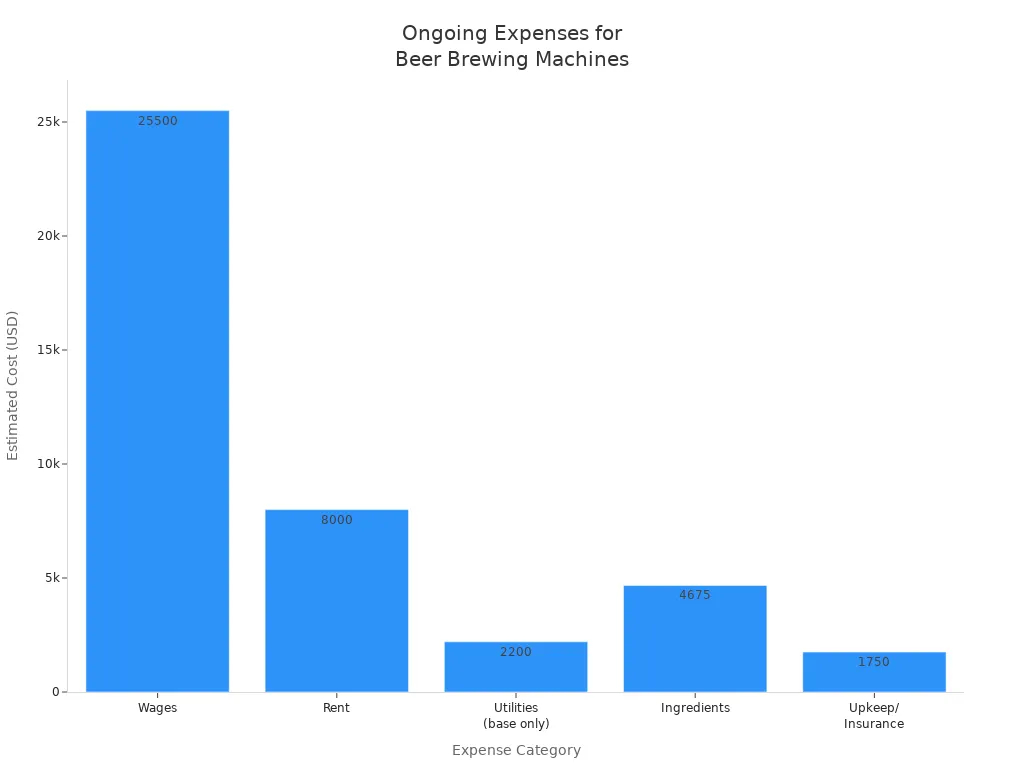
You should save money for repairs and regular check-ups. You also need to pay for ads and computer programs each month. If you watch your spending, you can stop problems and keep your brewery working well.
Note: Taking care of your machines often helps you spend less money later.
There are different ways to pay for brewery equipment. Many breweries use loans or payment plans to spread out the cost. Here are some choices:
You can get financing for new or used equipment like tanks and bottling lines.
Application-only financing lets you borrow up to $250,000 for equipment, or $500,000 if you add software.
You can pay for delivery, setup, and repairs over time instead of all at once.
Asset finance lets you pay slowly, with flexible payment rules.
Business loans give you money right away, with or without something as security.
Vendor financing lets you pay the supplier directly, sometimes with special plans.
Financing helps you keep more money for other needs and lets you grow or upgrade your brewery when you want.
You should look at all your payment options and pick the one that works best for you. This helps you control your budget and buy good equipment without using up all your money.
You want to pick a supplier people trust. A good supplier gives you quality machines and helps if there are problems. You can read reviews from other brewery owners. Good reviews mean the supplier does what they promise and fixes problems fast. Suppliers with high scores have many happy customers who come back. They earn trust by giving honest advice and reliable machines. Try to find suppliers who work with famous breweries. This means they know how to help different businesses.
Use this table to compare supplier reputation:
| Consideration | Description |
|---|---|
| Supplier Reputation | Choose a supplier with a strong reputation in the industry and positive customer reviews. |
Tip: Talk to other brewers about their suppliers. Their stories can help you learn a lot.
After-sales support helps your brewery run well. You need a supplier who helps you after you buy the machines. Good support means you get help with repairs, spare parts, and questions. If something breaks, you want answers fast. Some suppliers teach your team how to use and clean the machines. They may give you guides, phone help, or visit your brewery. Ask about the warranty and what services come with your machines.
Look for these things in after-sales support:
Help with fixing problems
Spare parts and replacements
Training for your workers
Clear warranty rules
Fast answers when you need help
Note: Good support saves you time and money. It helps you fix problems quickly and keeps your beer flowing.
Customization lets you design machines that fit your brewery. You can pick the size, shape, and materials you want. Suppliers who offer this service help you make machines that match your space and brewing style. Custom machines make your work easier and safer. You can add features that help you brew better. Strong materials like stainless steel keep your machines clean and tough. Custom designs can also save energy and cut waste.
Check this table to see how customization helps:
| Feature | Description |
|---|---|
| Tailored Solutions | Customization services provide solutions that meet specific needs and preferences of brewers. |
| Flexibility in Design | Equipment can be designed to fit unique operational requirements, enhancing usability. |
| Material Quality | High-quality materials like stainless steel ensure durability and hygiene, crucial for brewing. |
| Operational Efficiency | Customized equipment can improve brewing processes, leading to better product quality and efficiency. |
| Environmental Friendliness | Customization often includes sustainable practices, aligning with modern brewing values. |
Tip: Ask your supplier about ways to customize your machines. You can build a system that grows with your business and meets your needs.
Picking the right supplier means looking at trust, support, and custom options. When you choose a partner who cares about your needs, your brewery is ready to do well.
When you buy commercial beer brewing equipment, delivery and training are very important. You want your machines to show up on time and without damage. You also need to learn how to use them safely and well. Not every supplier gives the same help, so you should check their delivery times and training before you pick one.
Delivery can take different amounts of time. It depends on what kind of equipment you order. Some machines take longer to make and ship than others. Here is a table that shows how long it usually takes to get different brewing equipment from top suppliers:
| Equipment Type | Average Delivery Time |
|---|---|
| Cellar Expansion | 4-8 months |
| Brewhouse Expansion | 6-12 months |
| Small Cellar Expansion | 16-32 weeks |
| Complete Custom Brewhouse | 6-18 months |
You might have to wait 2 to 12 weeks after you order for delivery, setup, and starting the machines. This time includes unloading, putting in pipes, and hooking up power and water. Ask your supplier for a clear schedule so you can plan when your brewery will open or grow.
Tip: Always find out if the supplier takes care of shipping, unloading, and setting up. This can save you time and stop your machines from getting damaged.
Training is just as important as getting your machines. You want your team to know how to use the new equipment. Good suppliers give training to your workers. These lessons show you how to use, clean, and fix the machines. Some suppliers give you books, videos, or send someone to teach you in person. Look for suppliers who give hands-on training and easy-to-follow steps.
Here are some things you should get in a training program:
Simple guides for using each machine
Safety rules for all equipment
Cleaning and fixing steps
Tips for solving common problems
Help if you have questions later
A good training program helps you make fewer mistakes and keeps your brewery working well. Your team will work faster and safer when they know what to do.
Note: Well-trained workers can find problems early and keep your machines working great.
When you look at suppliers, ask about how they deliver and train. Pick a company that brings your machines on time and teaches your team well. This will help your brewery do well for a long time.
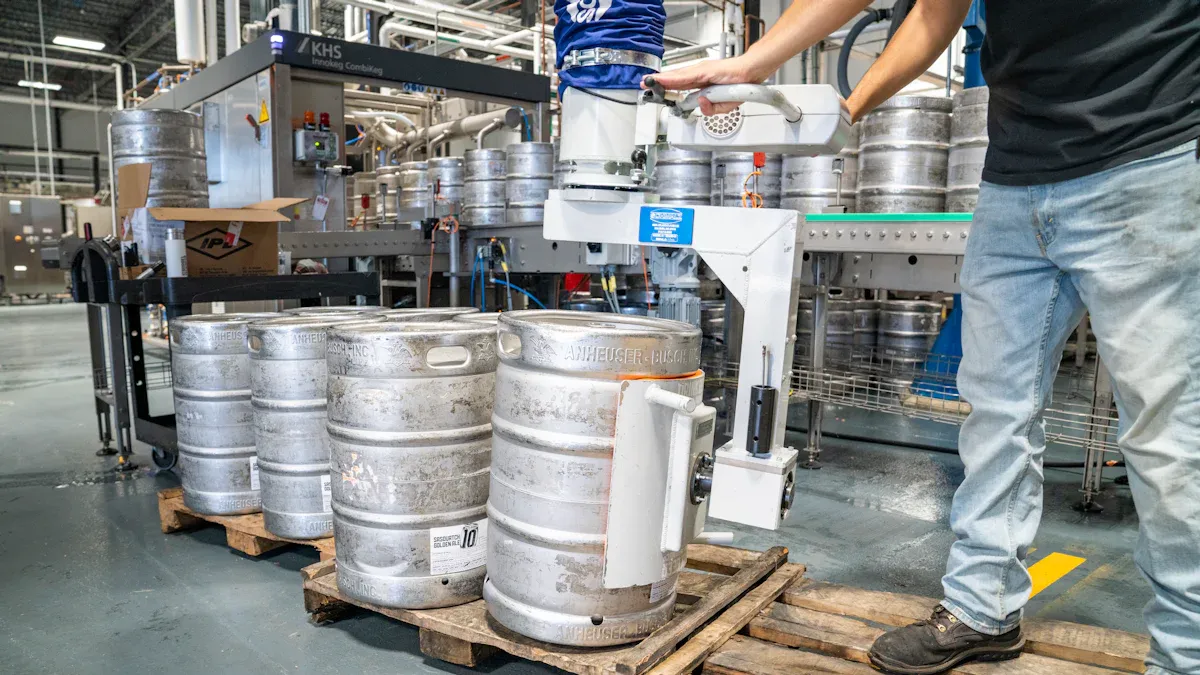
You want your brewery to grow without big problems. Modular equipment helps you do this. You can add new tanks or kettles when you need more space. You do not have to stop your work or change your whole setup. You can group fermenters with wide aisles. This makes it easy to reach each tank and add new ones later. You should plan your space so you have room for upgrades and new connections. This way, you can meet more demand as your business gets bigger.
| Recommendation | Benefit |
|---|---|
| Reserve space for future upgrades | Add kettles or scale up equipment without stopping production. |
| Modular arrangement | Group fermenters with clear aisles for easy access and upgrades. |
| Reserved space planning | Ensure room for capacity upgrades and future connections as you grow. |
Tip: When you set up your brewery, think about where you will put new machines. This helps you avoid moving things later.
You need to keep your equipment working well as your brewery grows. Regular checks help you find problems early. You should use sensors and software to watch how your machines work. This helps you see where you can make things better. Automated cleaning systems save you time and keep your equipment in good shape. You should keep records of your brewing steps. This helps you see trends and keep your beer the same every time.
Perform regular maintenance checks to stop problems before they start.
Monitor operational performance with sensors and software for real-time data.
Optimize cleaning and sanitizing processes using automated systems.
Keep detailed records of your production to track trends and ensure consistency.
Note: Upgrading your systems step by step helps you avoid big costs and keeps your brewery running smoothly.
You want your brewery to stay strong as the industry changes. Start by looking at your current system. Find out what works and what needs to grow. You should look for brewery software that fits your needs. This helps you manage your business better. Make sure your team agrees on new changes. When everyone works together, upgrades go faster.
Take stock of your current system to see what needs fixing or growing.
Explore options for brewery-specific ERP solutions.
Build buy-in across your team so everyone supports new changes.
Anywhere access lets you check your brewery from any location.
Flexibility, agility, and scalability help you grow without stopping production.
Seamless updates keep your system current without extra work.
Tip: Choose equipment and software that can change as your business grows. This keeps your brewery ready for new trends and customer needs.
You need to narrow down your choices before you buy commercial beer brewing equipment. Start by looking at what matters most for your brewery. Use a checklist to compare each system. This helps you see which machines fit your needs best.
Capacity and Scalability: Pick equipment that matches how much beer you want to make now and in the future. If you plan to grow, choose a system that lets you add more tanks or expand easily.
Automation and Control: Look for machines with programmable controls. These help you keep each batch consistent and make brewing easier.
Material Quality and Craftsmanship: Choose equipment made from high-grade stainless steel. This keeps your beer safe and your machines strong.
Energy Efficiency and Operating Cost: Think about how much it costs to run the equipment, not just the price to buy it. Energy-saving features can lower your bills over time.
After-Sales Support and Maintenance: Pick suppliers who offer good technical support. You want help if something breaks or if you need advice.
Hygiene and Regulatory Compliance: Make sure the equipment meets food safety standards. This protects your customers and helps you pass inspections.
Tip: Write down your top three choices. Compare them side by side using these criteria. This makes your decision easier.
You should ask suppliers for quotes and product demos. A quote shows you the full price, including delivery and setup. A demo lets you see how the equipment works in real life. You can ask questions and watch the brewing process. This helps you understand if the system fits your team and your space.
Request a detailed quote from each supplier. Check what is included, like warranty, training, and support.
Schedule a demo or virtual tour. Watch how the machine runs and how easy it is to clean.
Ask about extra costs. Some systems need special parts or upgrades later.
| Supplier Name | Demo Available | Warranty | Training Included | Support Level |
|---|---|---|---|---|
| Supplier A | Yes | 5 years | Yes | High |
| Supplier B | No | 3 years | No | Medium |
| Supplier C | Yes | 10 years | Yes | High |
Note: Seeing the equipment in action helps you spot problems early. You can also check if your staff feels comfortable using it.
You should talk to industry experts before you make your final choice. Experts know what works best for different breweries. They look at your goals and help you pick equipment that matches your needs. Their advice can save you money and help you avoid mistakes.
Experts help you right-size your equipment so you do not buy too much or too little.
They share best practices and new trends in brewing.
Some experts, like Bart Watson, focus on modular systems for easy growth.
Others, like Mary Pellettieri, stress the need for quality management and good operating procedures.
Tom Shellhammer explains how equipment affects beer flavor and stability.
Tip: Ask experts about common problems and how to avoid them. Their experience helps you make a smart choice.
You can find experts at trade shows, brewing associations, or by asking other brewery owners. Their feedback gives you confidence and helps you choose equipment that will last.
Before you make your final decision, you should review a checklist. This helps you feel confident that you have covered every important detail. Use this list to make sure you are ready to buy your commercial beer brewing equipment.
Your Final Equipment Selection Checklist:
Production Goals Match
Make sure the equipment fits your yearly and future production targets.
Capacity and Space Fit
Check that the system fits in your brewery and leaves room for growth.
Material Quality
Confirm the equipment uses high-grade stainless steel or red copper.
Automation Level
Choose the right controls for your team’s skill and your brewing style.
Batch Size Flexibility
Ensure you can brew both small and large batches as needed.
Energy Efficiency
Look for features that save power and lower your bills.
Cleaning and Maintenance
Verify that cleaning steps are simple and parts are easy to reach.
Safety and Compliance
Check that the system meets all safety and food standards.
Supplier Reputation
Pick a supplier with good reviews and a strong track record.
After-Sales Support
Make sure you get training, spare parts, and fast help when needed.
Customization Options
Confirm you can adjust the system for your brewery’s needs.
Warranty and Service
Review the warranty length and what it covers.
Total Cost
Add up all costs, including delivery, setup, and ongoing expenses.
Scalability
Make sure you can add more tanks or upgrade as your business grows.
Demo and Expert Advice
Watch a demo and ask experts for their opinion.
Tip: Print this checklist and keep it with you when you talk to suppliers. Check off each item as you go.
Here is a quick reference table to help you compare your top choices:
| Criteria | Option 1 | Option 2 | Option 3 |
|---|---|---|---|
| Fits Production Goals | ✅ | ✅ | ❌ |
| Space and Layout | ✅ | ❌ | ✅ |
| Material Quality | ✅ | ✅ | ✅ |
| Automation Level | ✅ | ❌ | ✅ |
| Energy Efficiency | ✅ | ✅ | ❌ |
| Support and Warranty | ✅ | ✅ | ✅ |
You should use this table to see which system meets the most needs. A system with more check marks is usually the best choice.
Note: If you cannot check off an item, ask the supplier for more information. Do not rush your decision. The right choice will help your brewery succeed for many years.
When you finish this checklist, you will know you are ready to buy. You will feel sure about your choice and can start brewing with confidence.
Picking the right commercial beer brewing equipment is important for your brewery’s future. You should follow each step in this guide to help you make good choices. First, think about what your brewery needs. Next, look at the features of different machines. You can also talk to suppliers or experts for advice.
Tip: Ask trusted suppliers for prices or set up a demo. This lets you see how the equipment works and helps you feel sure before you buy.
You can start now and work toward a great brewery.
You should pick equipment that matches your production goals. Start small if you want to test recipes. Choose larger systems if you plan to grow quickly.
You need to clean your equipment every two weeks. Deep cleaning every three months keeps your machines safe and your beer fresh.
Yes, you can customize the look of your brewing equipment. Many suppliers let you choose colors, finishes, and materials to match your brand.
Manual systems need more hands-on work. Automated systems use controls and sensors to help you brew faster and keep each batch consistent.
Stainless steel resists rust and lasts a long time. It keeps your beer safe from germs and makes cleaning easier.
Yes, some beer styles need special tanks. For example, lagers need tanks with precise cooling. Stouts may need longer tanks for conditioning.
You can use heat recovery systems and efficient pumps. These features help you lower energy costs and make your brewery greener.
You should expect training, fast answers to questions, and help with repairs. Good suppliers also offer spare parts and clear warranty terms.


