
Views: 0 Author: Site Editor Publish Time: 2025-07-17 Origin: Site
You can start making beer at home in your kitchen with the right beer brewing equipment. You only need a few simple tools, some beer brewing equipment, and an extract kit. Keeping things clean is very important, so always use sanitizer on your beer brewing equipment. This helps prevent bad flavors from developing. Follow each step carefully, and don’t worry if you feel nervous. Many new brewers use basic beer brewing equipment to make easy styles like American Wheat Ale or Brown Ale. These styles are simple and fun to brew:
| Beer Style | Why Beginners Love It |
|---|---|
| American Wheat Ale | Simple, light, and easy all year |
| Brown Ale | Dark malts cover small mistakes |
Home brewing with your own beer brewing equipment lets you create something special. Not many people try it today, but you can do this. Every batch you make with your beer brewing equipment gets you closer to the perfect pint!
Begin brewing with simple tools like a big pot, fermenter, bottles, and sanitizer. This keeps things clean and stops bad tastes from happening.
Try a homebrewing starter kit to get all the main tools and easy steps. This makes it simpler for people who are just starting.
Carefully follow each brewing step: sanitize, boil the ingredients, cool the wort, add yeast to ferment, and bottle only when fermentation is done.
Keep your brewing area neat and tidy. This saves time, stops mistakes, and makes brewing more fun.
Be patient and write down your batches. Good beer needs time to get better, and every batch helps you learn more.
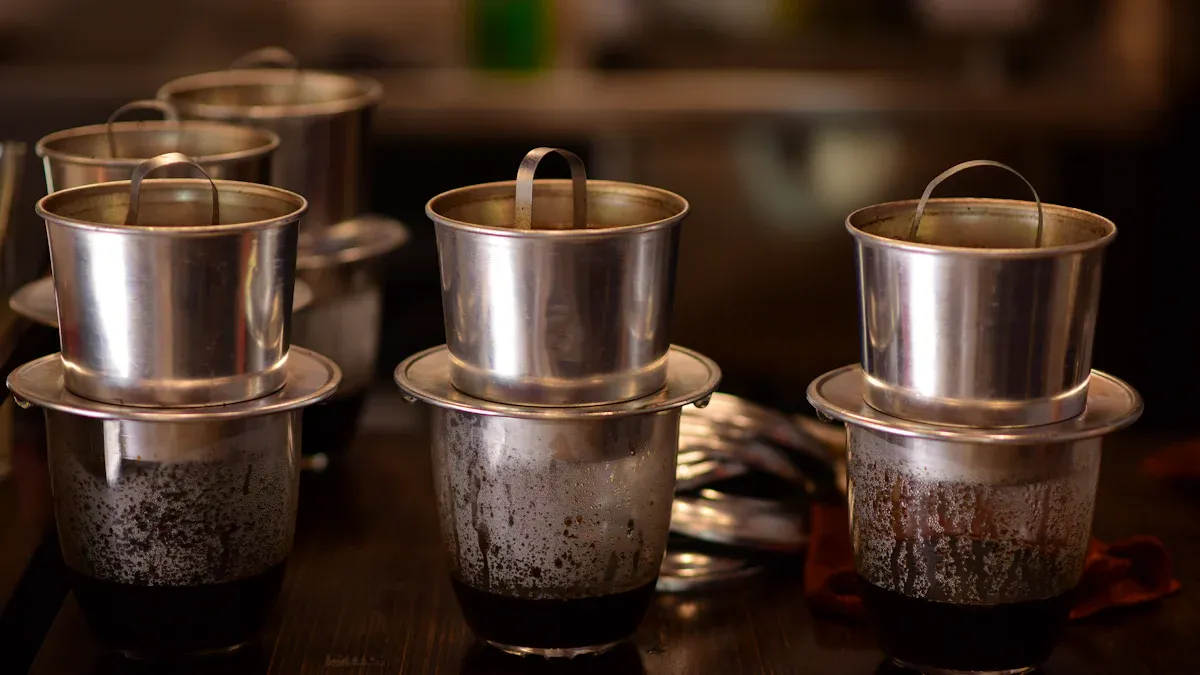
You do not need a lot of fancy gear to start brewing. Most beginners use a few basic pieces of beer brewing equipment. Here is what you need:
A large pot (about 5 gallons) for boiling your ingredients.
A fermenter with an airlock. This is where your beer will turn from sweet liquid to tasty brew.
A hydrometer to check how much sugar is left.
Bottles and a bottle capper for storing your finished beer.
Tubing or an auto-siphon to move your beer from one container to another.
Sanitizer and cleaner. Keeping your beer brewing equipment clean is the best way to avoid bad flavors.
You can reuse bottles from store-bought drinks. Just wash them well and remove the labels. Always clean and sanitize every piece of beer brewing equipment before you use it.
A homebrewing starter kit makes things even easier. These kits come with almost everything you need. Most kits include a fermenter, airlock, sanitizer, bottles, and a capper. Some even have a brewing pot. You can find a homebrewing starter kit for about $60 to $90. If you already have a big kitchen pot, you can save money and just buy the kit without the pot.
Here are some top beginner kits:
| Brand / Kit Name | Why Beginners Like It |
|---|---|
| Northern Brewer | Easy to use, clear instructions, big batches |
| Mr. Beer | Budget-friendly, includes bottles |
| Brooklyn Brew Shop | Simple, good for small spaces |
| Midwest Supplies | Great for learning, small batch options |
Starter kits help you learn the basics of beer brewing equipment without feeling overwhelmed.
Once you get comfortable, you might want to try extra brewing equipment. Some people use glass fermenters to watch the bubbles. Others get temperature control gear to make better beer. Swing-top bottles make bottling faster. Pumps and propane burners can make brew day easier and more fun. These upgrades are not required, but they can help you enjoy brewing even more.
Tip: Start simple. Upgrade your beer brewing equipment as you gain experience and want to try new things.
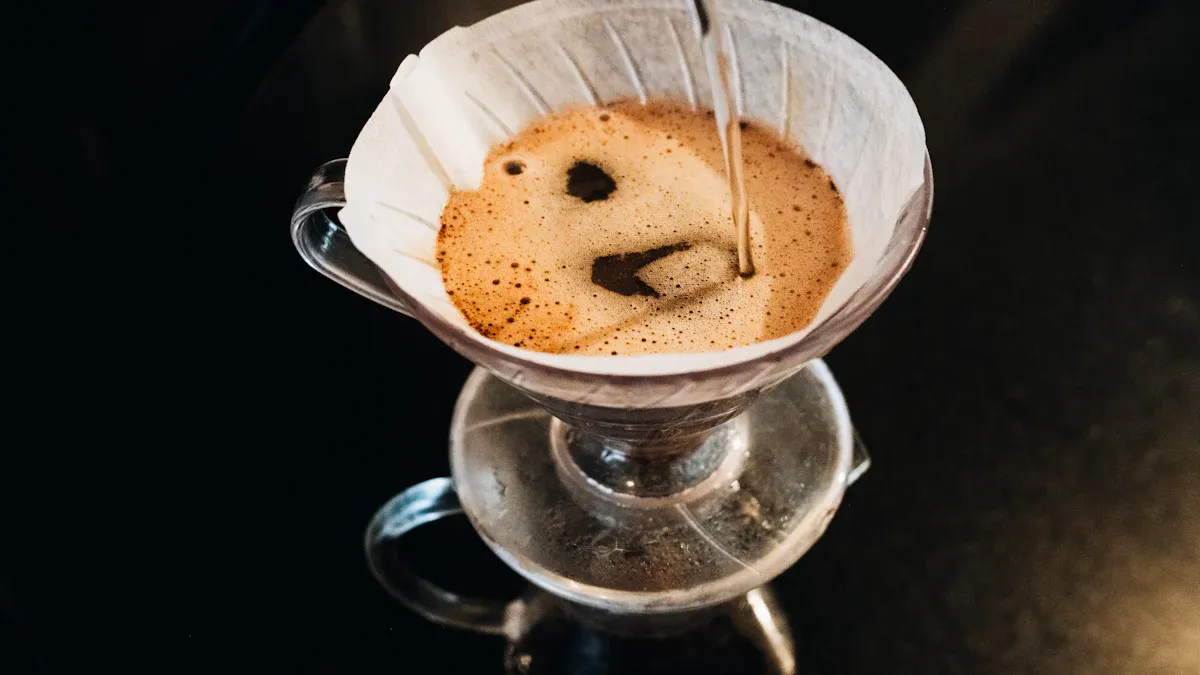
Getting ready is the first step in how to brew beer. You want to set yourself up for success. Start by gathering all your brewing equipment and ingredients. Make sure you have everything close by. This will help you move smoothly through each stage.
Sanitizing is the most important part of the homebrewing process. Clean every tool, bottle, and surface before you start. Use a good sanitizer. Cleaning removes dirt and debris, but sanitizing kills the tiny germs that can spoil your homebrew beer. If you skip this step, bacteria or wild yeast can ruin your batch. You might get off-flavors, cloudy beer, or even exploding bottles. Louis Pasteur showed that yeast and bacteria can spoil beer, so always keep things clean.
Check your ingredients. Use fresh malt extract, hops, and yeast. Store hops in the freezer and yeast in the fridge. Use filtered water without chlorine. This helps you avoid strange flavors. If you use grains, crush them gently. Over-crushing can make your beer taste harsh.
Tip: Lay out your equipment and ingredients before you begin. This makes the brewing process easier and less stressful.
Now you are ready to brew beer! Here is how to brew beer with an extract kit, step by step:
Sanitize all your brewing equipment and bottles.
Heat water in your large pot. If your recipe uses specialty grains, steep them in the hot water at 150°F to 170°F for about 20 minutes. This pulls out color and flavor.
Remove the grains. Bring the water to a gentle boil.
Stir in the malt extract. Mix well so it does not burn on the bottom.
Add hops according to your recipe. Some hops go in early for bitterness, others later for aroma.
Boil the wort for the time your recipe says, usually 60 minutes. Boiling does a lot: it sterilizes the wort, stops enzyme activity, and helps hops give bitterness and flavor. It also makes the beer clear by causing proteins to clump together.
Cool the wort quickly. You want it to reach yeast-pitching temperature, usually around 65°F to 70°F. Fast cooling helps prevent contamination and keeps your beer tasting fresh.
Pour the cooled wort into your fermenter. Try not to splash too much, as oxygen can spoil the beer after boiling.
Extract brewing is perfect for beginners. It skips the tricky steps of all-grain brewing and lets you focus on learning how to brew beer without feeling overwhelmed.
Fermentation is where the magic happens in how to brew beer. Add your yeast to the cooled wort. Seal the fermenter with an airlock. Place it in a spot where the temperature stays steady. Most ale yeasts like 66°F to 72°F. If it gets too hot or cold, the yeast can make strange flavors or stop working.
Watch the airlock. You should see bubbles in a day or two. This means the yeast is eating sugar and making alcohol and bubbles. Keep the fermenter out of sunlight. Light and oxygen can spoil your homebrew beer.
After about a week, check the gravity with a hydrometer. If the reading stays the same for two days, fermentation is done. Some brewers move the beer to a second fermenter for a couple more weeks. This helps the beer clear up and taste better.
You can track fermentation by watching the airlock, checking the temperature, and measuring gravity. If the bubbles stop too soon or the gravity does not drop, you might have a stuck fermentation. Check the temperature and make sure the yeast is healthy.
Bottling is the last step in how to brew beer at home. Make sure fermentation is finished. If you bottle too soon, you risk exploding bottles or over-carbonated beer.
Sanitize all your bottles, caps, and bottling tools. Even a tiny bit of dirt can ruin your homebrew beer. Mix the right amount of priming sugar with a little boiling water. Let it cool, then add it to your beer. This sugar gives the yeast just enough food to make bubbles in the bottle.
Fill each bottle, leaving a little space at the top. Cap them tightly. Store the bottles in a cool, dark place. Most beers need at least two weeks to carbonate. Some styles taste best after four to six weeks. The longer you wait, the smoother and tastier your beer will be.
Note: Always use brown bottles if you can. They protect your beer from light, which can cause bad flavors.
The whole homebrewing process, from start to bottling, usually takes between one and three hours on brew day. Bottling itself is quick, but cleaning up takes time. Be patient during conditioning. Your beer will taste better if you let it mature.
Learning how to brew beer is a fun journey. Each batch teaches you something new. Keep your equipment clean, follow the steps, and enjoy the process. Soon, you will have tasty homebrew beer to share with friends and family.
Choosing the right spot for your home brewery setup makes brewing easier and safer. Many people use a kitchen, basement, or garage for their setup. You want a place with enough room to move around. Try to keep at least 40 inches of clear walkway so you do not trip over equipment. If you plan to brew with friends, aim for 48 inches of space. Place your main brewing gear in a triangle shape. This setup lets you reach everything without walking too much. A large sink with a sideboard helps with cleaning and drying. Good ventilation is important, especially when you boil wort or use chemicals. Make sure your setup has easy access to water and power. Store your ingredients and finished beer in cool, dry spots. If you have a basement or garage, you can split your home brewery setup into work areas for cleaning, brewing, and storage. This keeps your setup organized and efficient.
A clean and tidy home brewery setup gives you better beer and keeps you safe. Always clean and sanitize your setup before and after brewing. This stops germs from ruining your beer. Keep your tools in dry, airy places to avoid mold and rust. Use pegboards with hooks for hanging spoons and racking canes. Label each spot so you find things fast. Shelving units help you stack buckets and carboys. Put big items on top shelves. Try using old filing cabinets for bottle storage. Toolboxes with sections keep small items like caps and stoppers sorted. Glass jars or plastic containers work well for bottle caps and priming sugar. Store hops in sealed bags in the freezer. Keep spare grain in old 5-gallon buckets. Do not nest plastic buckets inside each other. Scratches can hide germs. Organize your setup by how often you use each tool. Put brew day gear in one spot and bottling tools in another. A well-organized home brewery setup saves time and helps you avoid mistakes.
Tip: A clean and organized home brewery setup makes every brew day smoother and more fun. You will spend less time searching for tools and more time enjoying your hobby.
Starting your homebrewing journey feels exciting, but you might wonder how to make beer that tastes great every time. Here are some tips to help you succeed:
Use a recipe kit for your first few batches. These kits include everything you need and make following a beer recipe simple.
Watch video tutorials or join a local brewing club. You can learn a lot from others who have tried different homebrew recipes.
Always use a hydrometer to track fermentation. This tool helps you know when your beer is ready and teaches you more about the brewing process.
Keep your brewing setup clean and organized. Sanitation is the key to good homebrewing.
Take notes on each batch. Write down temperatures, times, and any changes you make to your beer recipe.
Store hops and yeast in the fridge or freezer to keep them fresh.
Be patient. Let your beer mature for at least four weeks before tasting.
Tip: Review your brew day steps before you start. This helps you avoid surprises and keeps your brewing setup running smoothly.
Many new brewers make the same mistakes when learning how to make beer. Here are some to watch out for:
Skipping or rushing sanitization. Dirty equipment can ruin your homebrewing efforts.
Not controlling fermentation temperature. Yeast needs a steady, correct temperature to work well.
Bottling too soon. If you rush, you might get exploding bottles or flat beer.
Ignoring hydrometer readings. Guessing can lead to unfinished or over-fermented beer.
Changing too many things at once in your beer recipe. Stick to simple homebrew recipes until you feel confident.
Sometimes, things go wrong in homebrewing. If you notice stalled fermentation or strange flavors, try these steps:
Check the temperature of your brewing setup. Keep it in the yeast’s recommended range.
Swirl the fermenter gently to wake up the yeast.
Add yeast nutrients if fermentation seems stuck.
If nothing changes, pitch fresh yeast.
For off-flavors, make sure you boil the wort uncovered and cool it quickly. This helps prevent cooked corn or buttery tastes.
Always sanitize your brewing equipment to avoid vinegar or sour flavors.
Note: Most problems in how to make beer come from poor sanitation or temperature swings. Stay patient and keep learning with each batch.
You now know the basics of homebrewing. Start with a simple extract kit and follow each step. Homebrewing feels rewarding, and you will learn more with every batch. If you want extra help, check out video tutorials from groups like the American Homebrewers Association. These videos show each step and make things clear. Online forums and homebrew clubs let you ask questions and share your progress. You will find support and tips from other homebrewing fans. Give it a try—your first homebrewing adventure could lead to a lifelong hobby!
You can brew beer in about 2 to 3 hours. Fermentation and bottling take extra time. Your beer usually needs 2 to 4 weeks before you can drink it. Patience pays off!
Yes, you can use tap water. If your water tastes good, your beer will too. If you notice a chlorine smell, use a water filter or let the water sit out overnight.
No, you can reuse bottles from store-bought drinks. Clean and sanitize them well. Remove old labels for a fresh look. Avoid twist-off bottles—they may not seal tightly.
Don’t worry! Off-flavors often come from poor cleaning or temperature swings. Keep your equipment clean and control the temperature. Most batches improve with practice.


