
Malt liquor is a unique and potent type of beer that stands out due to its higher alcohol content and distinct sweetness. It has a long history in the world of alcoholic beverages but is often misunderstood. In this article, we’ll explore what malt liquor is, how it’s brewed, and how it differs from regular beer. We’ll also dive into the crucial role of Brewery Equipment in crafting this drink, from fermentation to final production. By the end, you’ll understand why malt liquor remains a popular choice for many drinkers.
Malt liquor is essentially a stronger version of beer. It is brewed using malted barley, like regular beer, but with the addition of extra fermentable sugars such as corn or rice. This process boosts the alcohol content, making malt liquor more potent than standard beers, which typically have an alcohol by volume (ABV) of 4-5%. Malt liquor usually has an ABV of 6-9%, though some variants can reach up to 12%.
Malt liquor stands out primarily due to its higher ABV. The added sugars not only contribute to the alcohol content but also make the drink sweeter and less bitter than typical beers. While regular beers rely heavily on hops to impart bitterness, malt liquor minimizes the use of hops, which results in a smoother, more syrupy taste.
The brewing process often includes the use of adjuncts like corn or rice, which are added to the malted barley. These adjuncts help ferment more sugars, increasing the alcohol content without making the beer taste too heavy. This is why malt liquor can feel fuller and more robust than traditional beers.
● Higher Alcohol Content (ABV): Typically 6-9%, sometimes up to 12%.
● Sweeter Flavor: Due to added fermentable sugars like corn or rice.
● Less Bitter: Minimized use of hops results in a smoother taste.
● Fuller Body: Feels more robust and fuller compared to regular beers.
The process of making malt liquor follows a similar path to regular beer but with some important differences. Here's a summary of the key steps involved:
Step | Process |
Malting | Barley is soaked in water to germinate. |
Mashing | Barley is dried and mashed to release its sugars. |
Fermentation | Yeast is added to convert sugars into alcohol. |
What distinguishes malt liquor from beer is the addition of additional fermentable sugars—often corn or rice. These sugars not only help increase alcohol content but also lend a sweeter, lighter body to the drink. Moreover, malt liquor uses six-row barley, which has higher protein content than the more commonly used two-row barley in standard beer. This contributes to a fuller body and slightly sweeter taste.
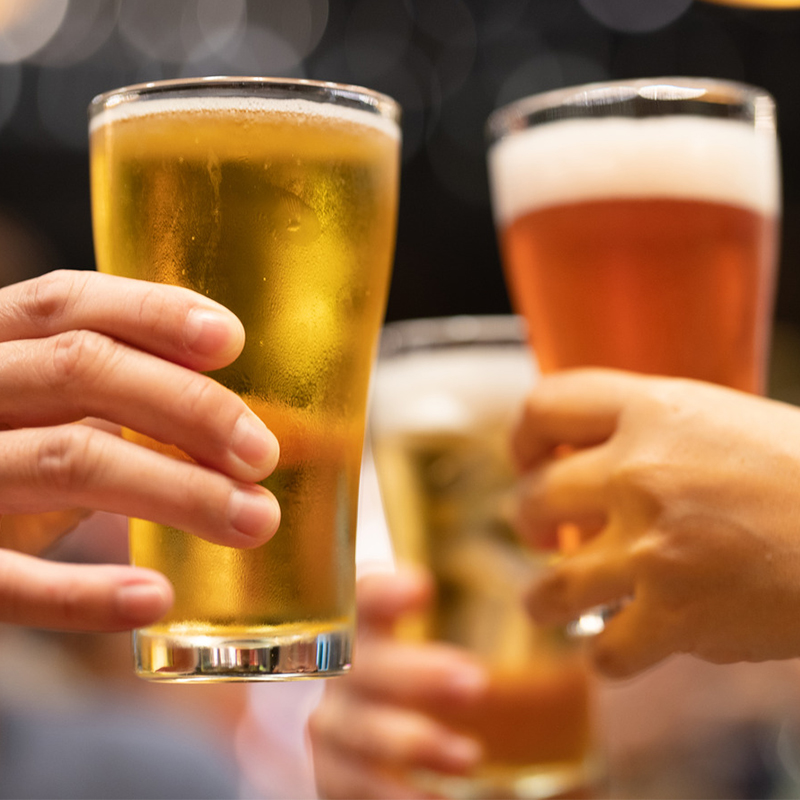
One of the most obvious differences between malt liquor and beer is alcohol content. Regular beer typically ranges from 4% to 5% ABV, while malt liquor usually falls between 6% and 9% ABV. This makes malt liquor stronger and potentially more intoxicating, requiring fewer servings to achieve a similar effect.
Another major distinction is the flavor. Malt liquor is typically sweeter than regular beer due to the adjuncts like corn or rice. These ingredients create a less bitter and more rounded flavor, often described as smoother or even syrupy. In contrast, most beers use more hops, resulting in a more bitter, dry, and often lighter flavor.
While beer drinkers might appreciate the bitterness and hop-forward flavors, malt liquor’s smooth sweetness makes it more accessible to those who prefer a milder taste with higher alcohol content.
Malt liquor’s brewing process involves more than just adding extra sugar. The inclusion of adjuncts and the use of six-row barley lead to a different fermentation process. Additionally, the brewing vessels, including fermenters and mash tuns, must be capable of handling the extra sugar load and higher alcohol levels during fermentation. These specialized pieces of Brewery Equipment ensure the consistency and quality of the final product.
Aspect | Malt Liquor | Beer |
Alcohol Content | 6-9% ABV, stronger | 4-5% ABV, lighter |
Flavor Profile | Sweeter, less bitter, smoother | More bitter, dry, lighter |
Brewing Process | Uses adjuncts, six-row barley | Uses hops, two-row barley |
Malt liquor's journey began in the mid-20th century, following Prohibition and during a period when beer sales were starting to slow. To attract more customers, especially in urban areas, brewers sought to create a stronger, more affordable beer alternative. Malt liquor quickly filled this gap.
Malt liquor’s birth is closely tied to the need for stronger alcoholic beverages post-Prohibition. As the market for beer began to slow, brewers turned to malt liquor as a way to provide a more potent drink for cost-conscious consumers. It became particularly popular in urban communities during the 1960s and 1970s, thanks to its affordability and high alcohol content.
The creation of iconic brands like Colt 45 and Olde English 800 cemented malt liquor’s place in American drinking culture. Over the years, it has evolved from a cheap, utilitarian drink into a symbol of certain subcultures.
Despite its popularity, malt liquor has long been associated with negative stereotypes. Often linked to low-income areas and party scenes, it has sometimes been viewed as a "cheap" option compared to regular beers or spirits. However, these perceptions have been challenged as more people appreciate malt liquor for its unique qualities, including its distinctive flavor and higher alcohol content.
When choosing between malt liquor and regular beer, it’s important to understand the differences and decide what fits your preferences best.
Malt liquor is typically stronger than beer, with alcohol content ranging from 6% to 12% ABV compared to beer's 4-5%. This makes malt liquor more potent and quicker to intoxicate, which is why it is often sold in larger quantities, such as 40-ounce bottles.
Malt liquor tends to be cheaper than regular beer, especially when purchased in bulk or larger bottles. This makes it an attractive option for those looking for more alcohol for their money. However, due to its stronger alcohol content, it’s important to drink it in moderation.
When choosing between malt liquor and beer, consider your flavor preferences, alcohol tolerance, and the occasion. Malt liquor offers a sweeter, stronger drink with less hop bitterness, while regular beer provides a wider range of flavors, from light lagers to rich stouts. If you prefer a stronger drink but want to avoid bitterness, malt liquor might be your best choice.
Aspect | Malt Liquor | Beer |
Alcohol Content | More potent | Milder |
Flavor Profile | Sweeter, less bitter, smoother | More bitter, dry, lighter |
Brewing Process | Uses adjuncts, six-row barley | Uses hops, two-row barley |
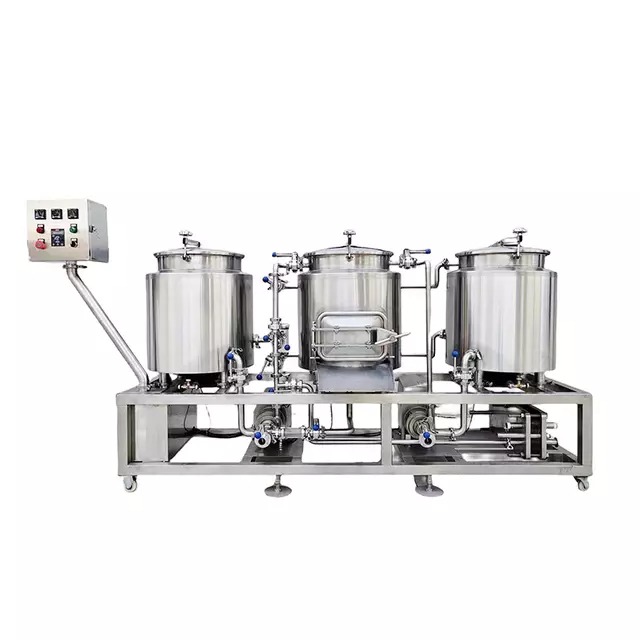
The production of malt liquor relies heavily on specialized Brewery Equipment designed to handle the brewing process’s unique requirements. Key equipment used in brewing malt liquor includes fermenters, mash tuns, and brewing kettles.
Brewers must ensure that their equipment can handle the extra sugars and higher alcohol content required in malt liquor production. Mash tuns, used for mashing barley and adjuncts, must be designed for the increased sugar content to maintain efficiency during the brewing process.
Because malt liquor uses more fermentable sugars than regular beer, equipment needs to accommodate this higher sugar load. Specialized fermentation vessels are necessary to control fermentation rates and prevent potential issues that can arise from the higher alcohol content.
Using ingredients like corn and rice requires careful handling during the brewing process. Brewers rely on mash tuns to ensure that these adjuncts mix effectively with the barley, and that the fermentation process occurs without issues. This specialized equipment allows brewers to produce a consistent and high-quality product, making it essential to the production of malt liquor.
Aspect | Malt Liquor Production |
Mash Tuns | Designed for increased sugar content |
Fermentation Vessels | Controls fermentation rate for higher alcohol |
Ingredient Handling | Ensures effective mixing of adjuncts |
Some of the most iconic brands in the world of malt liquor include Colt 45, Olde English 800, and Mickey's Fine Malt Liquor. These brands have shaped the identity of malt liquor and continue to influence its consumption.
These classic brands have become synonymous with malt liquor. Colt 45, in particular, gained fame due to its association with the famous slogan “It works every time.” Each of these brands offers a unique take on malt liquor’s sweetness and alcohol strength, making them staples in the industry.
Though they all fall under the malt liquor category, these brands differ in taste, packaging, and alcohol content. Some may lean sweeter, while others offer a drier finish. Packaging sizes also vary, with some offering larger containers, typically 40-ounce bottles, which have become a hallmark of the malt liquor experience.
Malt liquor is often enjoyed in casual, social settings, and its role in these environments is a key reason for its widespread popularity. Whether it’s a laid-back evening with friends or a larger social event, malt liquor tends to fit right in, offering a more accessible, budget-friendly option for those looking to enjoy a stronger beverage.
Malt liquor is commonly consumed in more relaxed environments, such as house parties, outdoor gatherings, and urban hangouts. Its affordability and higher alcohol content make it especially popular in social settings where budget-conscious drinking is important. As it's often sold in larger bottles, like 40-ounce containers, it provides a cost-effective way for people to enjoy a drink with a stronger kick.
Despite its popularity, it’s important to consume malt liquor responsibly. Due to its higher alcohol content, it can lead to quicker intoxication, so moderation is key. While malt liquor is an affordable and potent option, overconsumption can lead to negative health consequences. Always drink mindfully, respecting the drink's strength to ensure a safe and enjoyable experience.
Malt liquor is a potent beer type, known for its higher alcohol content and sweeter flavor. Its unique brewing process, using adjuncts like corn and rice, sets it apart from regular beer. Born in post-Prohibition America, it has become a cultural icon. Whether enjoyed for strength, flavor, or affordability, malt liquor remains popular. For those in the brewing industry, ZPET offers valuable brewery equipment designed to enhance production efficiency, ensuring high-quality malt liquor and other beverages.
A: Malt liquor is a type of beer with a higher alcohol content, typically over 5% ABV. It’s brewed with extra sugars like corn or rice, creating a sweeter, less bitter flavor than regular beer.
A: Malt liquor is brewed using malted barley, water, hops, and yeast, but with added fermentable sugars such as corn or rice. Specialized brewery equipment like mash tuns and fermenters are used to manage these ingredients.
A: Malt liquor has a higher alcohol content because of the additional fermentable sugars used during brewing. The increased sugar content results in a stronger drink compared to regular beer.
A: Malt liquor differs in alcohol content, typically ranging from 6-9% ABV, compared to regular beer’s 4-5%. It also uses more adjuncts, giving it a sweeter, less bitter taste.
A: Brewing malt liquor requires specialized brewery equipment like fermenters, mash tuns, and kettles that handle the higher sugar content and alcohol levels involved in its production.
A: Malt liquor is often sold in larger containers, making it more affordable per ounce than regular beer. However, its stronger alcohol content means fewer servings are needed to achieve the same effect.


