
Views: 0 Author: Site Editor Publish Time: 2025-12-25 Origin: Site
Brewing beer requires precision, efficiency, and the right equipment. Among the most essential pieces of brewery equipment is the 4-vessel brewhouse, which separates brewing into distinct stages. This innovative system boosts brewing efficiency and ensures high-quality beer production. In this article, we'll explore how a 4-vessel brewhouse works, its benefits, and why it's an essential investment for modern breweries.
A 4-vessel brewhouse separates key stages of brewing into four primary vessels, each with a specific function:
● Mash Tun: This is where the process begins, with crushed malt being mixed with hot water. The mash tun’s role is to convert the starches in the grain into fermentable sugars, a critical step for alcohol production.
● Lauter Tun: After mashing, the wort, or sugary liquid, is separated from the spent grain. The lauter tun employs a filtration system to ensure that only the liquid wort moves forward in the process.
● Brew Kettle: Once the wort has been separated, it is moved to the brew kettle for boiling. The boiling process sterilizes the wort and allows hops to be added for bitterness and aroma, which are key to defining the flavor profile of the beer.
● Whirlpool: After boiling, the wort enters the whirlpool phase, where centrifugal force helps separate solid particles like hops and proteins (trub) from the liquid, leaving a cleaner wort ready for fermentation.
In a 4-vessel brewhouse, each vessel plays a vital role in improving brewing efficiency. The specialized functions of each vessel work together to ensure optimal brewing conditions, leading to higher-quality beer and a more streamlined brewing process.
Let’s break it down with a table that highlights the role of each vessel in a 4-vessel brewhouse and how it contributes to brewing efficiency:
Vessel | Function | Key Contribution to Efficiency |
Mash Tun | Maintains temperature control during mashing | Maximizes sugar conversion for fermentation |
Lauter Tun | Filters wort from spent grains | Ensures a clean and clear wort for fermentation |
Brew Kettle | Sterilizes wort and adds hops for flavor/aroma | Imparts bitterness and aroma while ensuring microbial-free wort |
Whirlpool | Separates remaining solids from wort | Results in clean, clear wort for smoother fermentation |
By dedicating each step of the brewing process to a separate vessel, the 4-vessel system allows for a high level of control, leading to greater efficiency and consistency in every batch.
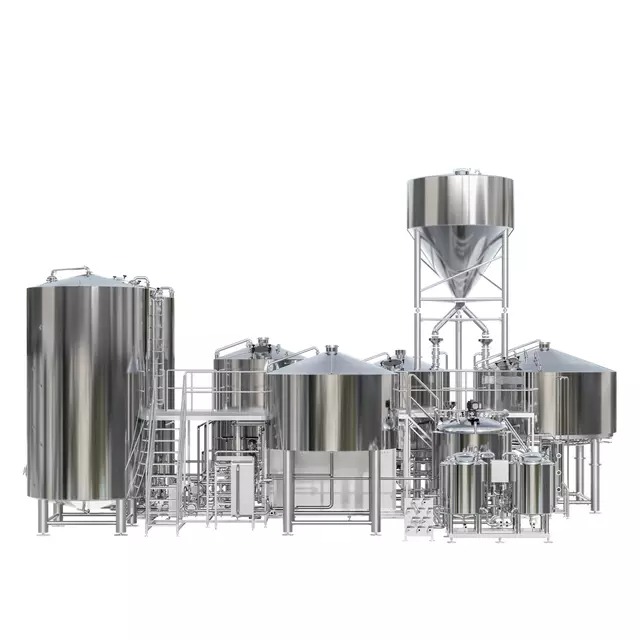
A major benefit of a 4-vessel system is its ability to run multiple processes concurrently. While one batch of wort is boiling in the brew kettle, the mash tun can be cleaned or prepared for the next batch. Similarly, mashing can begin again while lautering is happening in the lauter tun. This overlapping of brewing steps allows breweries to dramatically reduce brewing time, leading to more batches being produced in a single day.
This simultaneous operation of brewing stages is a game-changer for breweries aiming to increase production output without compromising on quality. By maximizing the use of each vessel, a 4-vessel brewhouse is far more efficient than a 2-vessel system, where processes must be completed one after the other.
A 4-vessel brewhouse is ideal for breweries that plan to scale up their operations. The ability to perform multiple brewing stages at the same time increases throughput, allowing more beer to be produced in less time. As breweries expand and require higher output, the 4-vessel system enables them to meet these demands without sacrificing quality. The flexibility of the system ensures that the brewery can scale production easily and without significant downtime.
For medium to large-scale breweries, this system not only improves production efficiency but also reduces operational bottlenecks. By enabling overlapping stages, it ensures that every step of the brewing process moves forward smoothly, leading to higher yield and shorter production cycles.
Consistency is crucial in brewing. A 4-vessel system provides enhanced control by allowing brewers to fine-tune the process at every stage. Each vessel operates independently, meaning brewers can monitor and adjust temperature, timing, and other key variables to maintain consistency across batches. This level of precision ensures that each batch of beer has the same flavor profile, aroma, and alcohol content, which is vital for building brand reliability and customer loyalty.
Furthermore, the ability to control each vessel independently allows brewers to experiment with different recipes or adjust the brewing process for different types of beer, all while maintaining consistent results.
Feature | Description | Benefit | Ideal For |
Simultaneous Operations | Multiple stages running at once | Reduces brewing time | Breweries with high output |
Increased Output | Perform several stages concurrently | More beer in less time | Medium to large-scale breweries |
Enhanced Control | Independent vessel control | Consistent quality across batches | Breweries aiming for precision |
Scalability | Easily expandable for growing demands | Meets increasing production needs | Expanding breweries |
Operational Efficiency | Overlapping processes | Higher yield and reduced bottlenecks | Breweries facing production challenges |
The mash tun is where the brewing process begins, as crushed malt is combined with hot water. The goal is to activate enzymes that break down starches into fermentable sugars, which will later be turned into alcohol during fermentation. Maintaining a stable temperature is crucial during this process, as it helps ensure the enzymatic breakdown of starches.
The mash tun's insulation and temperature control mechanisms are essential for the consistency of this process. If the temperature fluctuates, it could lead to incomplete sugar conversion, affecting the final alcohol content and flavor of the beer.
After mashing, the wort (sugary liquid) is separated from the spent grains in the lauter tun. The wort is drained off, and the grains are rinsed with hot water in a process called sparging to maximize sugar extraction. The lauter tun’s filtration system ensures that only the liquid wort passes through, ensuring a clean and clear wort for the next stages of brewing.
Key features of the lauter tun include a false bottom, which helps create an even filtration surface, and rakes or arms to help redistribute the grain bed and improve wort extraction. Proper lautering is crucial for maximizing efficiency and ensuring the clarity and flavor of the final product.
The wort then enters the brew kettle, where it is boiled for 60 to 90 minutes. This boiling process serves multiple purposes. First, it sterilizes the wort, ensuring no unwanted microorganisms remain. Second, hops are added at different stages during the boil to impart bitterness, flavor, and aroma to the beer. The boil also helps to concentrate the wort, intensifying its flavors.
The ability to add hops at various points during the boil allows brewers to fine-tune the beer's flavor profile. This step is critical in defining the beer’s characteristics, from bitterness to aromatic notes.
After the boil, the wort enters the whirlpool, where centrifugal force helps separate any remaining solid particles (trub) from the liquid. The whirlpool’s action causes the trub to gather in the center, making it easier to remove. This clarification process is essential for producing a clear wort that will ferment into high-quality beer.
The whirlpool process also helps reduce the amount of hop material that could cause off-flavors during fermentation, ensuring a clean, crisp beer.
Vessel | Key Role | Key Feature |
Mash Tun | Converts starches into sugars | Temperature control, insulation |
Lauter Tun | Separates wort from spent grains | Filtration system, false bottom |
Brew Kettle | Sterilizes and flavors the wort | Hop addition, boiling process |
Whirlpool | Clarifies the wort | Centrifugal force, trub removal |
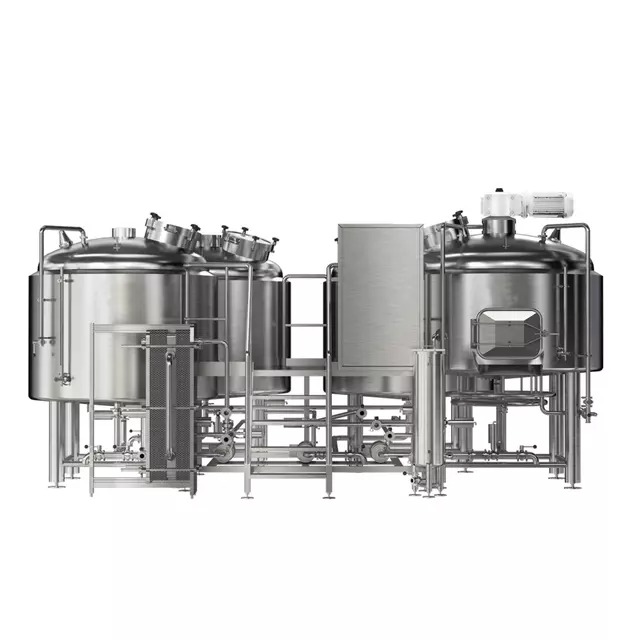
Mashing is the first critical step in the brewing process. Milled malt is mixed with hot water in the mash tun, and enzymes are activated to break down the starches into fermentable sugars. Temperature control is essential during this phase, as it ensures that the enzymes work efficiently. Typically, brewers hold the mash at a stable temperature (around 65°C or 149°F) for about an hour to ensure optimal sugar conversion.
After the mashing process, the wort is drained from the grain bed and transferred to the lauter tun. Sparging with hot water ensures that the remaining sugars are extracted from the grains. The wort is now ready to be boiled in the next stage.
The wort is then boiled in the brew kettle, and hops are added at different points to create bitterness, flavor, and aroma. The boil also sterilizes the wort, eliminating any potential microorganisms that could spoil the beer. This is a crucial stage that imparts much of the beer’s distinctive flavor profile.
Finally, the wort enters the whirlpool, where solid particles are separated from the liquid. This ensures that the wort is free from unwanted particles before fermentation begins, helping to produce a clean, clear beer.
Step | Detail | Key Process |
Mashing | Converts starches to sugars | Temperature control, enzyme activation |
Lautering | Extracts sweet wort | Sparging, separating wort from grains |
Boiling | Adds hops, sterilizes wort | Hop addition, sterilization, boiling |
Whirlpool | Clarifies wort for fermentation | Centrifugal separation, trub removal |
The key difference between a 2-vessel and a 4-vessel system is the number of processes that can occur simultaneously. A 2-vessel system combines mashing and lautering into one vessel, and boiling and whirlpooling into another. While this saves space and reduces initial costs, it limits the efficiency and scalability of the brewing process. A 4-vessel system, by separating each process, allows for more efficient, faster brewing and higher output.
While a 4-vessel brewhouse requires a higher initial investment, it is more cost-effective in the long run due to its increased efficiency. The ability to perform multiple brewing stages at once reduces brewing time, labor costs, and energy consumption. For breweries with high output demands, a 4-vessel system is a smart investment.
Feature | 2-Vessel System | 4-Vessel System |
Processes | Combined processes | Separate processes for each step |
Efficiency | Lower efficiency and scalability | More efficient and faster brewing |
Cost Efficiency | Lower initial cost, but higher long-term costs | Higher initial cost, but more cost-effective long-term |
Output | Limited scalability | Higher output with overlapping stages |
A 4-vessel brewhouse requires more space than simpler systems. Proper space planning is essential to ensure smooth workflow and operational efficiency. Adequate spacing allows for safe operation, easier maintenance, and room for future expansion.
Many 4-vessel systems offer modular designs that can be customized and expanded as your brewery grows. This flexibility allows breweries to scale up production without major infrastructure changes.
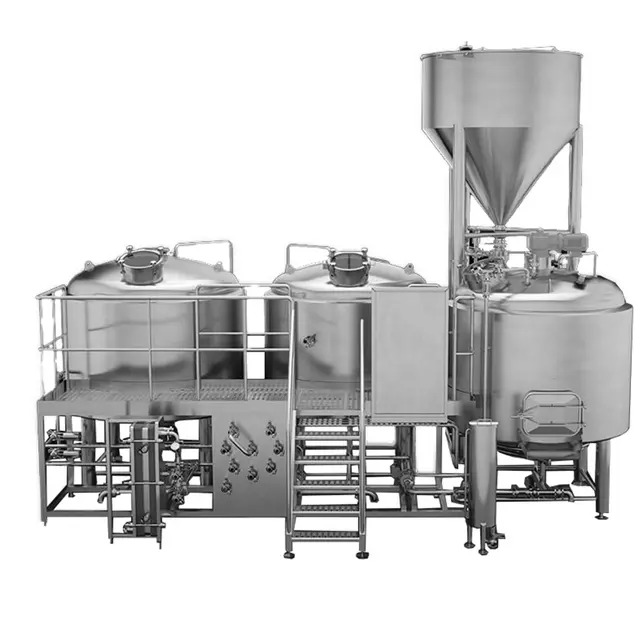
The price of a 4-vessel brewhouse varies depending on its size, features, and supplier. On average, the cost ranges from $100,000 to $250,000. Customization options such as automation and eco-friendly materials can add to the cost.
When choosing a supplier, consider lead times, support, and warranty options. Reliable customer support and training can ensure that your team operates the equipment efficiently.
Proper installation is essential to avoid operational issues. Regular maintenance, including cleaning and inspection of the vessels, is crucial for ensuring longevity and performance.
A 4-vessel brewing system boosts efficiency, scalability, and consistency. It's ideal for breweries aiming to increase production while maintaining quality. Investing in this equipment helps breweries stay competitive and meet growing demand. ZPET’s brewing systems offer exceptional value with advanced features, ensuring reliable performance and superior beer quality. Their solutions help optimize production, making them a top choice for breweries seeking efficiency and excellence.
A: A 4-vessel brewhouse is specialized brewery equipment that separates brewing into four stages: mashing, lautering, boiling, and whirlpooling, each in its own vessel. This setup enhances brewing efficiency and consistency.
A: A 4-vessel brewhouse allows multiple brewing stages to occur simultaneously, reducing brewing time, increasing output, and ensuring higher-quality beer. This helps breweries scale production without compromising on quality.
A: A 4-vessel system provides better control, higher output, and improved scalability compared to simpler systems. It's ideal for breweries that want to increase efficiency and meet growing production demands.
A: The price of a 4-vessel brewhouse can vary from $100,000 to $250,000 depending on size, features, and customizations. While the initial investment is higher, its long-term efficiency makes it a cost-effective option for large-scale breweries.
A: The 4-vessel system offers enhanced efficiency, scalability, and consistency in brewing. It allows brewers to maximize production, reduce downtime, and maintain high-quality standards across batches.
A: With its modular design, 4-vessel brewery equipment can be easily customized and expanded as your brewery grows. This flexibility allows you to scale production capacity without significant infrastructure changes.


