
Views: 0 Author: Site Editor Publish Time: 2025-09-15 Origin: Site
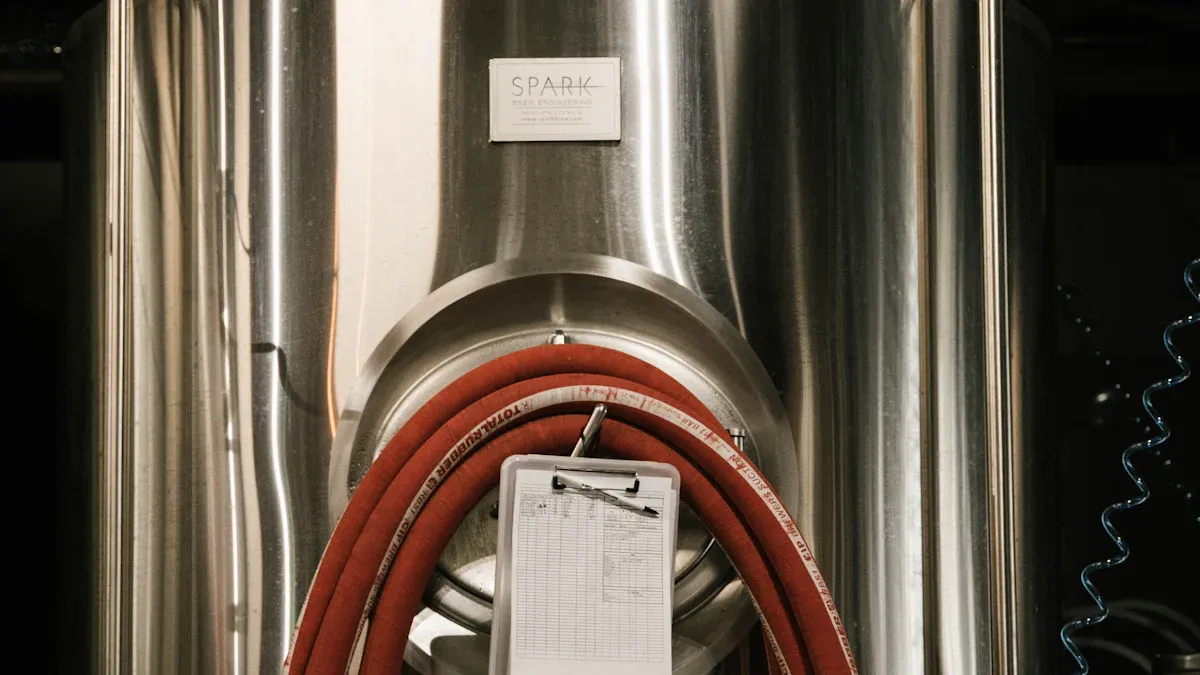
Choosing the right wine fermentation tank changes how your wine tastes and looks. Your choice affects both the flavor and how well you make wine. The tank’s material, size, and type all matter for your wine. Different shapes and materials can change the taste and smell. Some tanks keep the temperature steady, while others use more or less energy. Some tanks are better for the environment. Think about what your winery wants and the wine you want to make before you pick a tank.
Picking the right fermentation tank changes your wine's taste, smell, and quality. Think about the tank's material and type before you choose.
Stainless steel tanks are easy to clean. They help control the temperature well. These tanks keep the wine's original flavor.
Wood tanks give your wine special flavors and smells. You must clean and care for them often so they last longer.
Concrete tanks let in a little oxygen. This makes the wine's texture better but does not change its flavor. They are strong and do not need much care.
Always pick a tank that fits your winery's goals and needs. This helps you make better wine and grow your business later.
Picking a wine fermentation tank changes how you make wine. The tank you pick can change the taste, color, and smell of your wine. Each tank material works with the wine in its own way. For example:
Scientists in Argentina found that concrete tanks let in more oxygen than oak barrels or stainless steel tanks. This changed the phenolic makeup of Malbec wines.
You can see that different tanks change the wine’s chemistry. Oak barrels and earthenware amphorae help phenolic compounds stick together. This changes the wine’s color and texture. Stainless steel and epoxy-coated concrete tanks do not react much with the wine. This keeps the wine steady during fermentation. The tank you pick can make your wine special or keep it the same every time.
The right wine fermentation tank helps you make wine faster and easier. Tanks have features that help you make wine, like temperature control. This lets you keep the best temperature for fermentation. It helps protect the flavors and smells in your wine. Some tanks have cooling jackets or insulation to help with temperature even more.
You should also think about how long the tank will last. Some tanks last longer than others. For example:
| Tank Type | Lifespan |
|---|---|
| Oak tanks | 3 to 5 years |
| Wood tanks | Often lasts decades |
Modern tanks give you more than just strength. They can have real-time monitoring, modular designs, and automation. These features help you save time and make fewer mistakes.
Stainless steel tanks come in many sizes and help with both fermentation and storage.
Concrete tanks let in a little oxygen, which can make the wine feel smoother.
Oak barrels add flavors and make tannins softer during winemaking.
When you pick the right tank for your needs, you make better wine and work more easily. You also help your winery do well in the future.
You will find that stainless steel tanks are the most common fermentation vessels in modern wineries. These tanks help you keep your wine clean and fresh. They do not add flavors or tannins, so your wine keeps its original taste. You can control the temperature very well with stainless steel tanks. Many of these tanks have cooling jackets that help you keep the wine at the right temperature. This is important for making both red and white wines.
Here is a quick look at the pros and cons:
| Advantages | Disadvantages |
|---|---|
| Cost-effective | Increasing costs due to international demand |
| Longevity | |
| Sanitation benefits | |
| Temperature control |
You will also find that stainless steel tanks are easy to clean and last a long time. They work well for both small and large wineries. You can choose closed or open-top tanks, depending on your wine style.
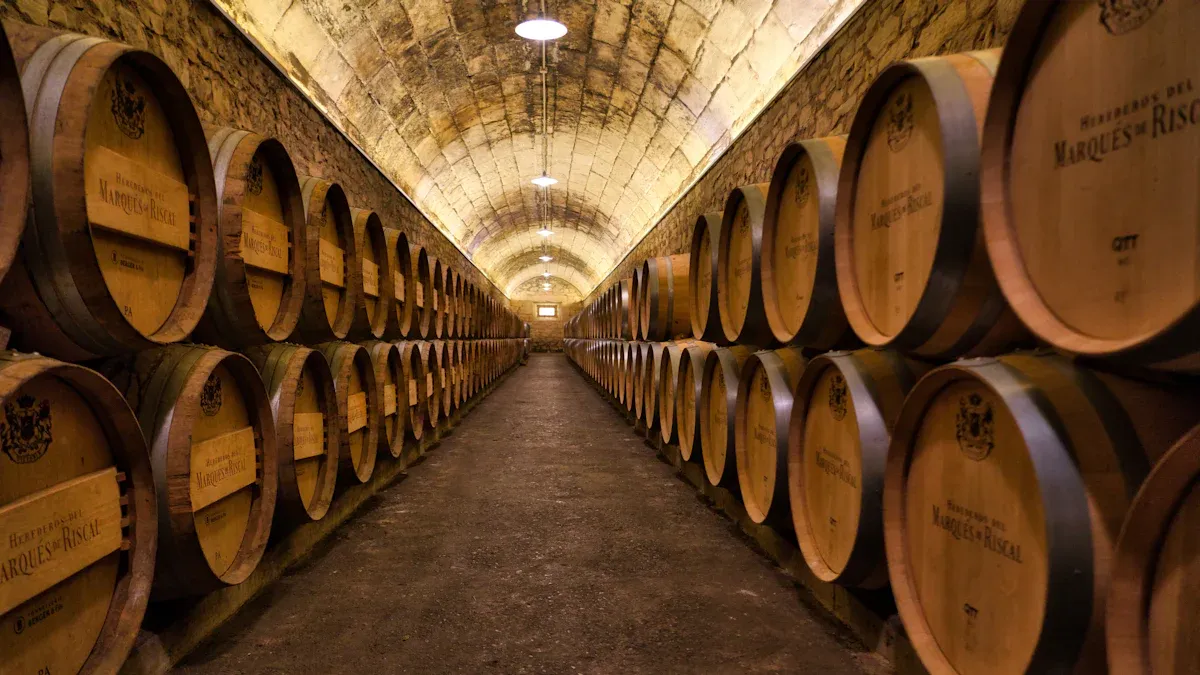
Wood tanks have a long history in winemaking. You use wood tanks if you want to add special flavors and aromas to your wine. These fermentation vessels give your wine tannins and oak-driven notes. Red wines often get a richer texture from wood tanks. The wood helps keep the wine warm during fermentation, which can change how the wine develops.
Wood tanks add flavors like vanilla, spice, clove, and toast.
Oak barrels, a type of wood tank, can make white wines taste creamy and add buttery notes.
The type of wood matters. French oak gives soft aromas and fine tannins. American oak adds sweeter notes like caramel and vanilla.
Wood tanks allow a little oxygen into the wine. This softens the tannins and makes the wine smoother.
You can use wood tanks for both fermentation and aging.
You need to clean wood tanks carefully. They can last for many years if you take care of them. Some wood tanks have open tops, which let you punch down the grape skins by hand. Others have closed tops for better control.
Concrete tanks are another popular choice for fermentation vessels. You use concrete tanks if you want to keep the grape’s true character. Concrete tanks do not add flavors to the wine. They let a small amount of oxygen in, which helps soften the tannins and improve the mouthfeel. This is good for full-bodied reds and rich whites.
| Feature | Description |
|---|---|
| Oxygen Interaction | Concrete tanks are porous, allowing a small amount of oxygen to interact with the wine. |
| Flavor Profile | Unlike oak barrels, concrete does not impart additional flavors, preserving the grape's character. |
| Tannin Softening | The slow oxygen exchange softens tannins and enhances mouthfeel, beneficial for full-bodied wines. |
| Ideal Wine Types | Suitable for wines that benefit from subtle development, such as rich whites and full-bodied reds. |
Concrete tanks help keep the temperature steady during fermentation.
You can use different shapes, like ovoid or amphora, to change how the wine develops.
Concrete tanks help you make wine with a pure and fresh taste.
These tanks are strong and last a long time.
Concrete tanks need less maintenance than wood tanks.
You can use concrete tanks for many wine styles.
They help you get even color and flavor from the grapes.
Concrete tanks support the terroir, or the unique taste of your vineyard.
You can use concrete tanks for both fermentation and aging.
Concrete tanks help you make wine with stable color and good structure.
You can use concrete tanks to make both red and white wines.
Variable capacity tanks, also called variable volume tanks, give you flexibility. You can use these fermentation vessels for small or large batches. The floating lid lets you adjust the size of the tank to fit the amount of wine you have. This helps you avoid wasting space and keeps air away from the wine, which stops oxidation.
You can use variable capacity tanks for different wine styles.
The adjustable lid helps you keep your wine safe from air.
You can try new wine styles or respond to market changes easily.
These tanks work for both open-top and closed-top fermentation.
Tip: If you run a small or medium winery, variable capacity tanks help you grow and adapt without buying new tanks every year.
You need to pick a tank that fits your wine style. Each tank type changes how your wine tastes and smells. Stainless steel tanks keep flavors simple and fresh. These tanks work for both red and white wines. Concrete tanks help some red wines get deeper flavors and smooth textures. Open tanks let heat out and make it easy to press grape skins, which helps with red wines. Closed tanks keep air away from white and rosé wines.
Here is a table to help you pick the right tank for your wine style:
| Tank Type | Key Features | Best For |
|---|---|---|
| Concrete | Steady temperatures, subtle material notes | Certain red wine styles |
| Stainless Steel | Precision, easy to clean, keeps flavors pure | Red and white wines |
| Open Tanks | Lets heat escape, easy to press skins | Red wines |
| Closed Tanks | Sealed, prevents oxidation | White and rosé wines |
You should also look at the good and bad sides of each tank:
| Type of Tank | Advantages | Disadvantages |
|---|---|---|
| Stainless Steel | Great temperature control, easy to clean | Higher initial cost |
| Concrete | Adds complexity, good insulation | Heavy, hard to move |
| Wooden | Unique flavors, traditional look | Needs more care, risk of contamination |
| Hybrid | Combines benefits of materials | More expensive, complex design |
Tip: Always pick a tank that matches your wine style. This helps you get the best taste and smell.
Think about how much wine you want to make and your space. The tank size should match how much wine you plan to produce. Small tanks are good for new wineries or testing small batches. Medium tanks fit boutique wineries. Large tanks work for big wineries that make lots of wine.
| Annual Production | Recommended Tank Capacity | Tank Height | Cooling Area Recommendation | Best For |
|---|---|---|---|---|
| 1000L or less | 500L–1000L | 1.6m–2.2m | ≥30% tank surface area | Start-up, small batch testing |
| 1000L–5000L | 1000L–3000L | 2.0m–3.0m | ≥50% tank surface area | Medium-sized winery |
| 5000L or more | 5000L–10000L | 3.0m–4.5m | ≥70% tank surface area | Large-volume production |
Small wineries need flexible tanks to avoid waste.
Medium wineries use stainless steel or concrete tanks for balance.
Large wineries pick strong tanks like stainless steel or hybrid tanks.
Note: Always match tank size to your batch and grape type. This helps you save wine and work better.
Your budget will affect which tank you buy. Different tanks have different prices. Stainless steel tanks cost more at first but last a long time and are easy to clean. Concrete tanks cost more to buy and set up but can make your wine better. Oak barrels give special flavors but need more care and must be replaced. Plastic tanks are cheap but do not last as long.
| Tank Material | Price Range (USD) |
|---|---|
| Plastic Tanks | $100 – $400 |
| Stainless Steel | $1,200 – $7,000 |
| Oak Barrels | $400 – $2,000 |
| Concrete Tanks | $2,500 – $10,000 |
Starter tanks cost $1,500–$6,000.
Middle-range tanks cost $10,000–$30,000.
Fancy or custom tanks can cost over $45,000.
Think about how long the tank will last, not just the price. Stainless steel tanks save money over time because they last and are easy to care for. Oak barrels and concrete tanks can help you make special wines that sell for more.
Always pick a tank that matches your winery’s goals. If you want a strong brand, choose tanks that help you make great wine. Stainless steel tanks help you make lots of wine with steady quality. Oak barrels or concrete tanks help you make wine with special flavors and textures.
Picking the right tank helps your winery look good.
The right tank supports your winemaking plans.
Stainless steel tanks are best for making lots of wine.
Use oak barrels or concrete tanks for special wines.
Plan ahead for your winery’s future. Pick tanks that let you grow and add new tools. Leave space for more tanks and make sure your cooling system can handle more tanks later. Tanks with extra features help you change as your winery grows.
Check your tanks often for leaks or damage. Think about what you might need in the future, like making more wine or trying new styles. Look for tanks you can change or add to. Buy from suppliers with good reviews and support.
Clean and sanitize tanks after every use.
Use food-safe cleaning products.
Use different tools for each tank to stop cross-contamination.
Check seals, valves, and welds often.
Remember: Clean tanks help you make better wine and keep your winery working well.
Choosing the right fermentation tank shapes your wine’s quality and your winery’s success. You should focus on tank material, size, and temperature control to balance quality and efficiency. Avoid common mistakes like ignoring long-term costs or space limits.
Key steps for your decision:
Define your production needs.
Pick the right tank type and material for your wine style.
List must-have features, such as temperature control.
Research sellers and compare detailed quotes.
“You have to care. Pay attention. Listen to your team. That’s how you make great wine.”
You should choose stainless steel if you want easy cleaning and long life. Concrete works well for smooth wines. Oak adds flavor. Each material changes your wine in a different way.
You need to rinse the tank with hot water. Use a food-safe cleaner. Scrub all surfaces. Rinse again. Dry the tank before use. Clean tanks help you make better wine.
You can use the same tank, but you must clean it very well between batches. This prevents flavors from mixing. Many wineries use separate tanks for each wine type.
Tank size changes how much contact the wine has with air and grape skins. Small tanks help you control small batches. Large tanks work well for big wineries.
Yes, temperature control helps you make better wine. It keeps fermentation steady. You protect flavors and aromas. Many tanks have cooling jackets or insulation for this reason.


