
Views: 0 Author: Site Editor Publish Time: 2025-12-11 Origin: Site
Whiskey barrels are central to the distillation process, influencing the final product’s flavor. Ever wondered how many gallons fit into one of these iconic barrels? It’s more than just a simple measurement—it’s essential for understanding whiskey aging.
In this article, we’ll explore the standard whiskey barrel size, why 53 gallons became the industry norm, and how distillery equipment impacts the aging process. By the end, you’ll grasp how barrel size shapes the whiskey-making journey.
The American Standard Barrel (ASB), commonly known as the bourbon barrel, holds 53 gallons (about 200 liters) of liquid. But how did this size become the industry standard? The story begins in the early 1900s when distillers were faced with practical challenges of storage and transport. The 53-gallon barrel was chosen for its balance between storage capacity and the ability to fit in the racks of warehouses without requiring significant changes to the rickhouses. This barrel size allowed distillers to store more whiskey without compromising the structural integrity of the barrel.
Interestingly, the 53-gallon size became more widespread after World War II. At the time, it offered an optimal balance between maximizing storage and minimizing the risk of leaks—an issue when barrels grew too large. The 53-gallon size was manageable for workers to handle, but large enough to facilitate aging processes that were ideal for bourbons.
While the 53-gallon barrel has become the standard in whiskey production, it's not the only size used. Here are a few other common barrel sizes and their respective capacities:
● Quarter Cask: 13 gallons (50 liters)
● Hogshead: 60 gallons (225-250 liters)
● Sherry Butt: Up to 132 gallons (500 liters)
● Port Pipe: Up to 172 gallons (650 liters)
Each of these barrels affects whiskey in different ways. Smaller barrels, like the quarter cask, result in quicker aging due to more wood-to-liquid contact. Larger barrels, such as the sherry butt, provide a slower aging process and impart subtler flavors from the wood. Whiskey makers carefully select the barrel size based on the desired aging process and flavor profile.
The 53-gallon barrel strikes a perfect balance between wood interaction and storage. It’s large enough to allow ample interaction between the whiskey and the wood, but small enough to manage temperature and humidity fluctuations during aging. The oak barrel allows whiskey to absorb flavors from the wood, such as vanilla, caramel, and spice. This process, known as maturation, happens at a steady pace in a 53-gallon barrel, making it ideal for creating high-quality, flavorful whiskey.
Moreover, distillery equipment, such as barrel racks and storage areas, is designed to accommodate 53-gallon barrels efficiently. When distillers use this size, they can maximize the use of space in warehouses, creating a more cost-effective aging process.
Aspect | 53-Gallon Barrel |
Wood Interaction | Allows ample absorption of wood flavors |
Aging Process | Steady maturation for optimal flavor |
Temperature & Humidity | Easy to manage fluctuations |
Storage Efficiency | Maximizes warehouse space |
Cost-Effectiveness | More cost-efficient for distillers |
Oak barrels are integral to the whiskey aging process. As whiskey sits in the barrel, it interacts with the wood, which imparts flavors and colors to the spirit. This exchange is influenced by the type of wood used (typically American oak for bourbon), the size of the barrel, and the environment in which the barrel is stored.
Distillery equipment, such as climate control systems, plays a significant role in managing the aging process. Temperature and humidity fluctuations can cause the wood to expand and contract, allowing the whiskey to seep in and out, deepening the flavors. This interaction between wood and whiskey is why the barrel size is so important—it directly impacts how much whiskey is exposed to the wood’s tannins, sugars, and other compounds.
The conditions within a distillery’s aging room, or rickhouse, significantly affect the maturation of whiskey. In areas where temperatures fluctuate dramatically, whiskey barrels undergo more intense evaporation, often referred to as the "Angel's Share." As the whiskey evaporates, it leaves behind a concentrated, more flavorful liquid.
Distillery equipment, such as automated temperature control and humidity regulation systems, ensures that whiskey matures under optimal conditions. Distillers carefully manage these factors to maintain the right balance of wood interaction and evaporation, which is crucial for developing a quality product. The 53-gallon barrel, in particular, allows for ideal aging conditions, contributing to consistent flavor development.
The size of the barrel also influences how quickly whiskey matures. Larger barrels, such as the 60-gallon hogshead, typically take longer to mature because there is less surface area in contact with the liquid. On the other hand, smaller barrels, like the quarter cask, increase the surface area, leading to a faster aging process. Distillery equipment is calibrated to handle these variations, ensuring the whiskey is aged properly without rushing the maturation process.
Factor | Impact |
Oak Interaction | Imparts wood flavors & colors |
Temperature & Humidity | Influences evaporation and flavor deepening |
Barrel Size | Affects aging speed |
Distillery Equipment | Controls aging conditions |
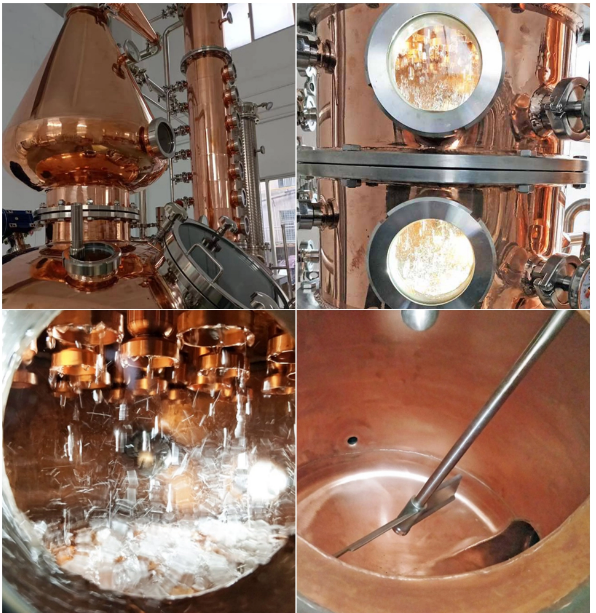
In many whiskey-producing regions, regulations dictate the types of barrels used for aging. For instance, the size and construction of barrels for bourbon production are governed by strict standards. These regulations ensure consistency and maintain the integrity of the product. In some cases, specific wood types are also mandated, such as new, charred American oak for bourbon.
The traditions of whiskey-making, particularly in regions like Kentucky, also play a role in barrel size selection. Distillery equipment must comply with these standards to ensure the final product adheres to local regulations and quality expectations.
While the 53-gallon barrel remains the standard, some craft distillers experiment with different barrel sizes and wood types to create unique flavor profiles. Smaller barrels, such as the quarter cask, are often used by craft distillers to speed up the aging process. Additionally, some distilleries use alternative woods, such as cherry or maple, to impart distinct flavors to the whiskey.
Modern distillery equipment is designed to support these innovative practices. From barrel charring stations to automated aging control systems, the equipment allows distillers to experiment while ensuring the quality and consistency of their products.
Factor | Influence | Example Equipment | Effect on Barrel Size |
Regulations | Dictates barrel size and wood type | Barrel racks, aging rooms | Sets standards for consistency |
Traditions | Influences barrel selection based on region | Distillery compliance equipment | Shapes barrel size selection in regions |
Innovation | Experimentation with barrel size & wood type | Barrel charring stations, aging systems | Smaller barrels speed aging, new woods add flavor |
Distillery equipment plays a pivotal role in enhancing the whiskey aging process. For example, some distilleries use specialized barrel charring techniques to enhance the interaction between the whiskey and the oak. Automated systems also monitor and adjust factors like humidity and temperature, creating an environment where whiskey can age optimally.
These advancements in distillery equipment allow whiskey makers to push the boundaries of flavor development while maintaining a high level of consistency in their product.
The whiskey-making process starts with the distillation of the base spirit. After distillation, the whiskey is transferred into barrels for aging. During this phase, distillery equipment ensures that the whiskey is stored under ideal conditions, allowing the spirit to mature and develop its flavors. From temperature control to humidity regulation, the entire process is supported by specialized distillery equipment designed to maximize flavor extraction during barrel aging.
Stage | Distillery Equipment Role | Effect on Whiskey |
Barrel Aging | Barrel charring, automated humidity & temp control | Enhances interaction with wood, optimal aging |
Whiskey Production | Temperature & humidity regulation | Ensures ideal maturation conditions |
Flavor Development | Advanced control systems | Maximizes flavor extraction during aging |
While whiskey barrels are often 53 gallons, wine barrels are typically larger, around 60 gallons. The difference in size is due to the varying aging processes of these two spirits. Wine requires a slower aging process, as it is more delicate and needs to maintain the integrity of its grape flavors. Whiskey, on the other hand, benefits from a faster aging process due to the interaction with the oak, which imparts a stronger flavor.
Other spirits, such as rum and brandy, also use barrels for aging, but the sizes and types of barrels can vary. For example, rum often uses larger barrels to impart less oak flavor, while brandy may use smaller, charred barrels to achieve more intense flavor profiles. Distillery equipment is tailored to accommodate the different aging requirements of each spirit.
Spirit | Barrel Size | Aging Process | Effect on Flavor |
Whiskey | 53 gallons | Faster aging due to oak interaction | Strong oak influence, faster maturation |
Wine | 60 gallons | Slower aging to preserve grape integrity | Subtle wood influence, slow maturation |
Rum | Larger barrels | Slower aging, less oak influence | Milder oak flavor, smoother taste |
Brandy | Smaller barrels | Faster aging, often charred | Intense oak flavor, quicker maturation |
Whiskey enthusiasts can benefit from understanding how barrel size affects flavor. Smaller barrels increase the rate of aging and impart stronger wood flavors, while larger barrels provide a more subtle influence. When selecting whiskey, consider the desired flavor profile—those who prefer a more robust, oaky taste may gravitate toward whiskeys aged in smaller barrels.
For those looking to explore different whiskey profiles, trying whiskeys aged in various barrel sizes is a rewarding experience. Distillers are continually experimenting with different barrel types to create unique and flavorful spirits. The right barrel size can make a significant difference in the complexity of the whiskey.
Barrel Size | Aging Speed | Wood Flavor | Best For |
Smaller Barrels | Faster aging | Strong wood flavors | Robust, oaky whiskeys |
Larger Barrels | Slower aging | Subtle wood influence | Smoother, lighter whiskeys |
The size of a whiskey barrel is essential in shaping the aging process, flavor development, and whiskey production. The 53-gallon barrel has become the industry standard, balancing wood interaction and storage needs. Distillery equipment ensures optimal aging conditions, enhancing the whiskey's flavor over time.
For distillers and enthusiasts, understanding barrel size and its relationship with distillery equipment is crucial. ZPET's innovative distillery solutions help enhance this process, offering advanced equipment that contributes to the production of high-quality whiskey with unique flavor profiles.
A: A standard whiskey barrel holds 53 gallons (200 liters). This size has become the industry norm for aging whiskey, especially bourbon.
A: The 53-gallon barrel strikes a balance between wood interaction and storage efficiency. Distillery equipment is designed to accommodate this size for optimal aging conditions.
A: The larger the barrel, the more subtle the wood's influence. Smaller barrels speed up aging, resulting in stronger wood flavors. Distillery equipment is used to monitor and control these variables.
A: Yes, distillery equipment like climate control systems ensures the optimal temperature and humidity for aging whiskey in barrels, affecting its final flavor profile.
A: Yes, apart from the 53-gallon standard, other sizes include the quarter cask (13 gallons), hogshead (60 gallons), and sherry butt (132 gallons), each influencing aging speed and flavor.
A: Yes, distillers often experiment with different barrel sizes and woods. Distillery equipment can be adjusted to accommodate these variations for unique flavors.


