
Views: 0 Author: Site Editor Publish Time: 2025-09-12 Origin: Site
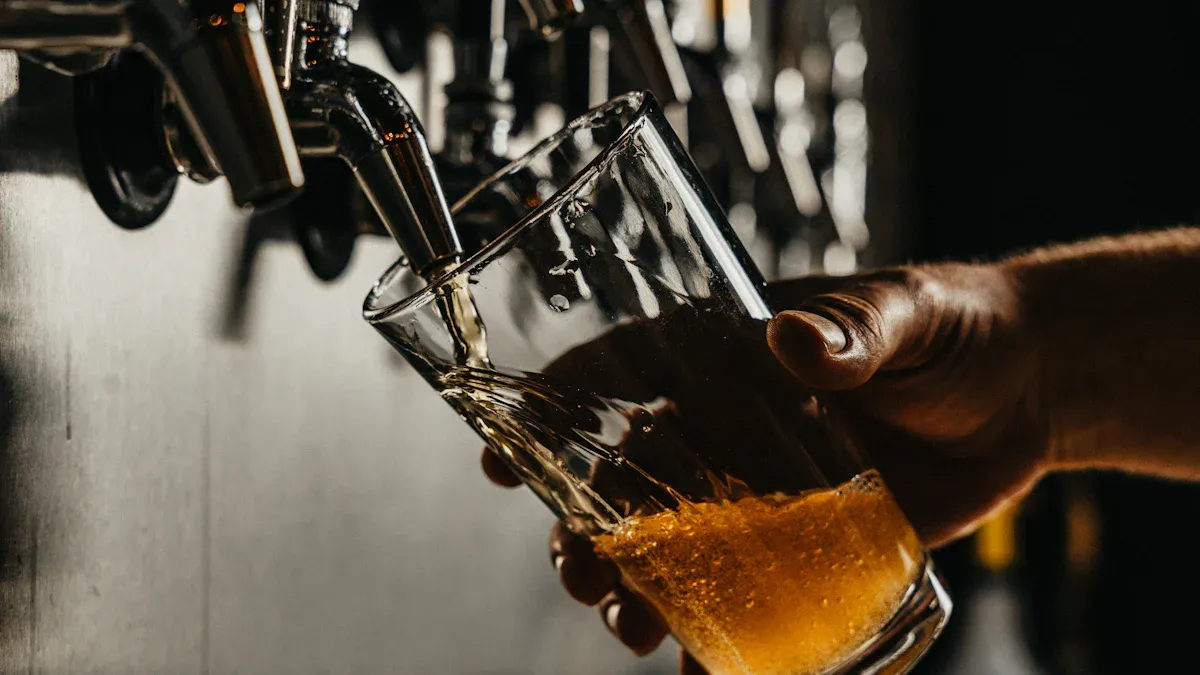
When you start brewing at home, your brewing equipment choice matters a lot. The right tools help you make tasty beer and keep it safe. Stainless steel is best for quality and safety. Copper and aluminum have their own good points.
| Material | Impact on Quality and Safety |
|---|---|
| Stainless Steel | Best for making high-quality beer |
| Copper | Has special uses in some brewing steps |
| Aluminum | Has some good points but also some problems |
Better brewing equipment helps you make fewer mistakes. It saves you time and makes you feel sure about brewing. Your brewing equipment is important every step of the way.
Choose stainless steel for brewing equipment. It ensures high-quality beer and safety.
Always clean and sanitize your brewing tools. This prevents germs and bad flavors in your beer.
Use the right size brew kettle for your batch. A 5-gallon kettle is great for small batches.
Monitor your beer's pH level. This helps maintain good taste and freshness.
Upgrade your fermenter or brew kettle first. Better equipment leads to tastier beer.
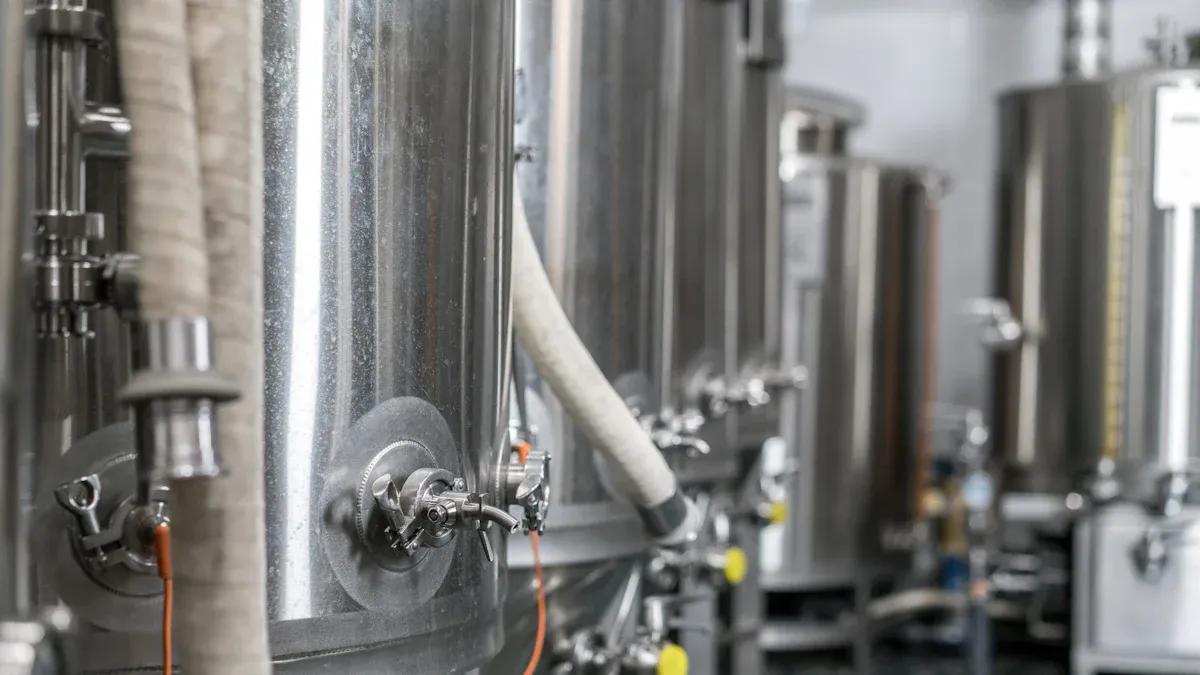
When you start making beer at home, you need the right tools. These tools help you make good beer and avoid mistakes. Let’s see what you will use every time you brew.
The brew kettle is where you start brewing. You boil your ingredients in it. The kettle’s size and material are important. Stainless steel kettles last a long time and keep beer tasting clean. Copper kettles heat up fast and can add small flavors.
| Material | Properties | Flavor Impact |
|---|---|---|
| Stainless Steel | Strong, does not rust, keeps heat well | Makes clean-tasting beers |
| Copper | Heats up quickly, reacts with ingredients | Adds light flavors and smells |
Pick a kettle size that fits your batch. For small batches, a 5-gallon kettle is good. For bigger batches, use a 10-gallon or 15-gallon kettle.
The fermenter is where your beer changes from sweet wort to beer. You can pick plastic, glass, or stainless steel. Each one has good and bad points.
| Fermenter Type | Pros/Cons | Impact on Quality and Contamination Risk |
|---|---|---|
| Plastic | Light, cheap, easy to use | Scratches can hold germs, harder to clean |
| Glass | Does not react, easy to clean, see inside | Breaks easily, not many sizes |
| Stainless Steel | Strong, keeps temperature steady | Costs more, heavy |
With a glass fermenter, you can watch bubbles and see your beer. Stainless steel keeps your beer safe from rust and bad tastes. Plastic is easy for beginners, but you must clean it well.
An airlock is a small but important tool. It sits on your fermenter and keeps your beer safe. The airlock lets gas out but blocks outside air. This keeps your beer in a place yeast likes.
| Benefit | Explanation |
|---|---|
| Oxygen Barrier | Stops oxygen from getting in and spoiling beer. |
| Contaminant Shield | Blocks germs, wild yeast, and bugs. |
| Reduced Risk of Contamination | Lowers the chance of mold and bad germs. |
| Consistent Anaerobic Environment | Helps yeast work without other things getting in. |
| Oxidation Prevention | Keeps flavors and smells fresh. |
You can watch bubbles in the airlock to see if it’s working. This helps you feel sure while your beer changes.
A siphon moves your beer from one container to another. If you do it right, your beer stays clear and tasty. If you do it wrong, you can add air or pick up gunk, which hurts the taste.
| Issue | Description | Prevention Techniques |
|---|---|---|
| Introduction of oxygen | Oxygen makes beer taste bad and look cloudy | Seal the siphon and keep air out |
| Ingestion of trub or sediment | Gunk makes beer cloudy | Keep siphon above the gunk and tilt the container |
Tip: Keep your siphon above the gunk at the bottom and move slowly. This helps you get clear beer every time.
Keeping your brewing equipment clean is very important. If you skip cleaning or sanitizing, your beer can go bad. First, clean off dirt. Then, sanitize to kill germs.
Note: Cleaners take off dirt. Sanitizers kill germs. You need both for safe, tasty beer.
Here are some common cleaners:
| Cleaning Agent Type | Description |
|---|---|
| Powdered Brewery Wash | Gentle cleaner, good for home use. |
| Oxygen-Releasing Disinfectants | Strong, kills germs fast, use with care. |
| Non-Oxidizing Disinfectants | Easy to use, popular for homebrew (Star San, Iodophor). |
| Caustic Soda | Very strong, mostly for big breweries. |
| Acids | Removes mineral buildup, keeps stainless steel shiny. |
Sanitizers like Star San and Iodophor work fast and do not need rinsing. This makes your brewing equipment safe and ready.
A hydrometer measures sugar in your beer. Use it before and after fermentation to see how much sugar is gone. This tells you the alcohol level and helps you make beer the same way each time.
If your hydrometer is not right, you might get the wrong alcohol amount. Always check if it is correct and adjust for temperature. This keeps your beer good and your results steady.
When you finish brewing, you need to bottle your beer. A bottling bucket makes this step easier. It helps keep gunk out and lowers the risk of air getting in.
Using a bottling bucket keeps gunk out of bottles and mixes sugar well.
If you bottle from the fermenter, you may get more gunk but less air.
Moving beer to a bottling bucket can add air, so be gentle, especially with hoppy beers.
If you are new, most starter kits have these items:
Fermenter
Airlock
Bung
Brew Pot
Heat Source
Siphon/Tubing
Cleaner
Sanitizer
Hydrometer
You can get better brewing equipment as you learn more. Starter kits cost less, but advanced setups give you more control and better beer.
When you know the basics, you may want better tools. These tools help you control your brewing and make better beer. Many skilled homebrewers use strong stainless steel gear and smart machines to improve their brewing.
Electric brewing systems make brewing easier and safer. You can use them inside without fire. Many advanced brewers like electric systems for these reasons:
You can set the temperature exactly right for good beer.
These systems use less power, so they save energy.
You can brew inside, which is safe and simple.
Electric brewing equipment helps you repeat recipes and get the same beer each time. Automation lets you control heat, flow, and timing. This means your beer turns out just how you want.
A mash tun helps you change grains into sweet wort. If your mash tun controls temperature, you get more sugar and better beer. Here’s what happens inside:
β-amylase works at low heat to make maltose, a sugar yeast likes.
α-amylase breaks down starch at high heat, helping β-amylase.
Protease breaks up big proteins, which helps yeast and makes beer clear.
If you keep your mash tun at the right heat, these enzymes work well. This means your fermenter gets wort that is ready for yeast to make tasty beer.
A wort chiller cools your beer fast after boiling. Fast cooling is important for two reasons:
Slow cooling can cause two problems. One is germs getting in. The other is DMS forming, which smells like cooked corn and is bad for most beers. DMS comes from S-methyl-methionine when heated. Some DMS leaves with steam, but some stays. If wort cools slowly, DMS can build up, especially in sealed containers.
Using a wort chiller keeps your beer safe and fresh. You lower the chance of bad flavors and keep germs out.
A pH meter checks how sour or basic your brew is. Keeping the right pH helps your beer taste good and stay fresh.
Changing water chemistry helps enzymes work during mashing and sets the best pH for yeast. This is important for flavor and stability.
If pH is too high, beer tastes harsh. If pH is too low, beer can taste sour or look cloudy. Checking pH helps you give yeast the best place to work.
Advanced brewing equipment, like smart controllers and automatic systems, helps you repeat recipes with confidence. You can watch every step and make small changes to improve your beer. New tech, like AI brewing and remote monitoring, makes it easier to get great results at home.
| Innovation Type | Description |
|---|---|
| Intelligent automated brewing | AI systems control brewing steps, making beer better and more consistent. |
| Remote control and cloud management | Brewers can watch and change brewing from far away, keeping beer quality high. |
| Intelligent fault diagnosis | AI finds and fixes equipment problems early, so brewing does not stop and beer stays good. |
| Personalized brewing equipment | Small equipment lets brewers make custom beer, giving more choices. |
| AI-optimized recipe | AI looks at data to improve recipes, matching what people like and making beer better. |
| Intelligent fermentation management | Real-time checks and changes during fermentation keep taste and quality high. |
Keeping your brewing equipment clean and sanitized is very important. If you forget these steps, your beer can taste bad or get mold. You need to know how to do this right.
There are many ways germs can get into your beer. Tiny things like mold and bacteria can sneak in. Brewing in basements or outside makes it easier for germs to get in. Adding fruits, herbs, or spices also brings more risk.
You need strong cleaning agents to fight germs. Here are some good choices:
PBW (Powdered Brewery Wash): This cleaner gets rid of thick gunk in hard spots. You must rinse well after using it.
Oxygen Wash: It breaks down dirt and works well for bottles. Do not use it on aluminum.
B-Brite: Soak your equipment in this powder to clean tough grime. Rinse after you finish.
Easy Clean: This cleaner does not need rinsing and keeps your gear fresh.
Tip: Always clean before you sanitize. Cleaning takes away dirt. Sanitizing kills germs.
After cleaning, you must sanitize your brewing equipment. Sanitizers kill bacteria and wild yeast that spoil beer. Here are two popular choices:
| Sanitizer | Effectiveness Against Microorganisms | Contact Time | Rinsing Requirement |
|---|---|---|---|
| Iodophor | Kills many germs including wild yeast | 2 minutes | No |
| Star San | Kills bacteria | No specific | No |
Both Iodophor and Star San work quickly and do not need rinsing. Just soak your equipment, wait a few minutes, and you can start brewing.
If you skip cleaning or sanitizing, mold can grow on your beer. You might get flat bottles or strange flavors. Sometimes, contamination causes too much fizz. Cleanliness and sanitation help your beer taste fresh every time.

When your beer is ready, you must pick how to package it. You can use bottles or a keg. Each way changes how your beer tastes and stays fresh.
Bottling is the old way to package beer. You put beer in clean bottles. Add sugar to make bubbles. Seal bottles with caps. This helps beer get bubbles on its own. It also helps beer last longer. You must be careful with air. Too much air makes beer taste bad after some months. Most homebrewers do not have fancy tools to keep air out. So, you need to work fast and use good equipment.
You need these things for bottling:
Bottles (glass is better for nature)
Caps and a capper
Bottling bucket
Siphon or tubing
To keep beer fresh, you can use special fillers or CO₂ systems. These tools help stop germs and keep beer safe. Washing bottles uses lots of water and energy. If you reuse bottles, you help the earth.
Tip: Clean and sanitize all your bottling tools before you start. This keeps your beer safe from germs.
Kegging makes serving beer easy and fun. You fill a keg and seal it. Use CO₂ to make bubbles. Kegged beer stays fresh longer. You can push out air before filling. Kegs stay cold and steady, so beer tastes good and keeps bubbles.
You need these things for kegging:
Keg (stainless steel lasts longest)
CO₂ tank and regulator
Kegerator or fridge
Tubing and connectors
Kegerators help you pour fresh beer every time. They keep beer at the best temperature. This gives you great taste and smell. Kegging saves water and energy because you do not wash many bottles. Steel kegs are good for the planet.
| Method | Carbonation | Freshness | Storage Longevity | Environmental Impact |
|---|---|---|---|---|
| Bottling | Natural | Good, but fades after 6 months | Up to 1 year | Reusable, but uses water/energy |
| Kegging | Forced (CO₂) | Stays fresh for weeks | Longer than bottles | Durable, less waste |
Your brewing equipment affects every beer you make. Getting better tools helps you make fewer mistakes. Even the best equipment needs care. Many skilled brewers give these tips:
Look at your equipment often to find damage.
Wash and sanitize everything after you use it.
Oil moving parts and check heat and pressure.
Keep learning, take care of your gear, and your beer will get better as you practice!
You should upgrade your fermenter or brew kettle first. Stainless steel lasts longer and keeps flavors clean. Better gear helps you make tastier beer and makes cleaning easier.
You need to clean your equipment after every use. If you skip cleaning, germs can ruin your beer. Clean and sanitize before you brew and after you finish.
You should not use regular kitchen cleaners. They can leave smells or chemicals. Use cleaners made for brewing. These keep your beer safe and tasting fresh.
Advanced equipment gives you more control. You can set temperatures and watch every step. This helps you make beer that tastes the way you want. You get better results with practice and good tools.


